

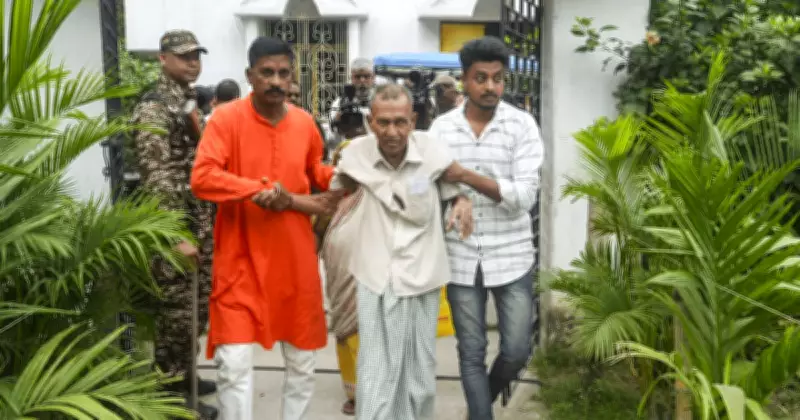
West Bengal and Tamil Nadu Assembly Elections Kick Off with First Phase Voting
Voting for the highly anticipated assembly elections in West Bengal and Tamil Nadu began today, marking a crucial phase in the democratic process for both states. Polling stations opened at 7 am, welcoming millions of eligible voters to exercise their franchise in what is expected to be a closely watched electoral battle.
West Bengal: A High-Stakes Contest for 294 Seats
In West Bengal, the election is being conducted for all 294 assembly seats, with the first phase of voting taking place today. This phase is critical as it sets the tone for the subsequent rounds, with political parties vying for dominance in a state known for its intense political rivalries. The electoral process is being closely monitored by observers and media outlets, given the significance of these polls in shaping the state's future governance.
Tamil Nadu: Electing the 17th Legislative Assembly
Simultaneously, Tamil Nadu is holding elections to elect its 17th Legislative Assembly. Approximately 5.73 crore voters are eligible to cast their ballots in today's polls, making it one of the largest electoral exercises in the state's history. The outcome will determine the new government and policies for Tamil Nadu, with key issues such as development, welfare schemes, and regional priorities at the forefront of voter considerations.

Voting Process and Key Details
The voting process in both states is being conducted under strict security measures to ensure a free and fair election. Polling booths are equipped with necessary facilities to facilitate smooth voting, and authorities have urged voters to participate actively in this democratic exercise. As the day progresses, updates on voter turnout and any incidents will be closely tracked by election commissions and news agencies.
Stay tuned for continuous coverage of the West Bengal and Tamil Nadu assembly elections, including live updates, analysis, and results as they unfold. The electoral outcomes in these states are poised to have significant implications for regional and national politics, making this a pivotal event in India's democratic calendar.






