

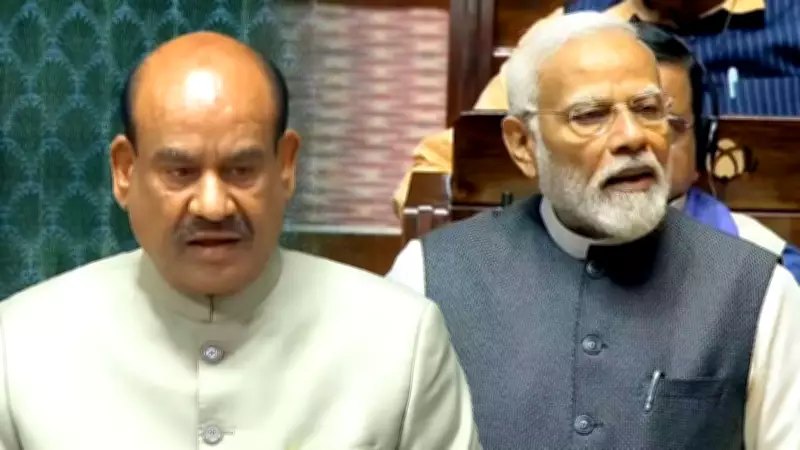
Speaker Om Birla Reveals Why PM Modi Skipped Lok Sabha Speech on Motion of Thanks
Lok Sabha Speaker Om Birla has provided a detailed explanation for Prime Minister Narendra Modi's absence from the House during the reply to the Motion of Thanks on February 4, 2026. In a significant revelation, Birla stated that he personally advised the Prime Minister against attending the session due to serious concerns about the conduct of some Congress members.
Unprecedented Scenes Prompt Safety Concerns
Addressing the Lok Sabha, Speaker Birla described the scenes witnessed during Wednesday's proceedings as unprecedented in parliamentary history. He expressed deep concern about the potential for disorderly behavior that could compromise the safety and dignity of the House.
"I had received specific inputs suggesting that certain MPs might approach the Prime Minister's chair in an unexpected and potentially disruptive manner," Birla revealed during his address. "This situation raised genuine fears of a possible mishap or security breach that could have led to unpleasant consequences."

Proactive Decision to Maintain Order
The Speaker emphasized that his primary responsibility was to ensure the smooth functioning of parliamentary proceedings while maintaining proper decorum. Based on the intelligence he received about potential disruptions, Birla took the proactive step of advising Prime Minister Modi to stay away from the House during the crucial session.
"I must thank the Prime Minister for understanding the gravity of the situation and agreeing to my advice," Birla stated. "His cooperation helped us avoid what could have been extremely unpleasant scenes in the Lok Sabha."
Appeal for Respecting Parliamentary Traditions
Expressing anguish over the developments that necessitated such measures, Speaker Birla made a strong appeal to all members of Parliament. He urged them to respect the time-honored traditions and decorum that have defined India's parliamentary democracy for decades.
The Speaker highlighted several key points during his address:
- The importance of maintaining dignity during parliamentary proceedings
- The need for all parties to cooperate in ensuring orderly conduct
- The responsibility of elected representatives to uphold parliamentary norms
- The potential consequences of disregarding established protocols
Ensuring Smooth Functioning of Democracy
Birla's revelation sheds light on the behind-the-scenes considerations that sometimes influence parliamentary proceedings. The Speaker emphasized that his decision was driven solely by concerns for safety, security, and parliamentary propriety rather than any political considerations.
"Our parliamentary system thrives on debate and discussion, but these must occur within established frameworks of respect and decorum," Birla asserted. "When there are indications that these boundaries might be breached, it becomes necessary to take preventive measures."
The incident has sparked discussions about parliamentary conduct and the challenges faced by presiding officers in maintaining order during politically charged sessions. Speaker Birla concluded by appealing for greater cooperation from all members to ensure the Lok Sabha functions smoothly and effectively, true to its role as the temple of Indian democracy.






