

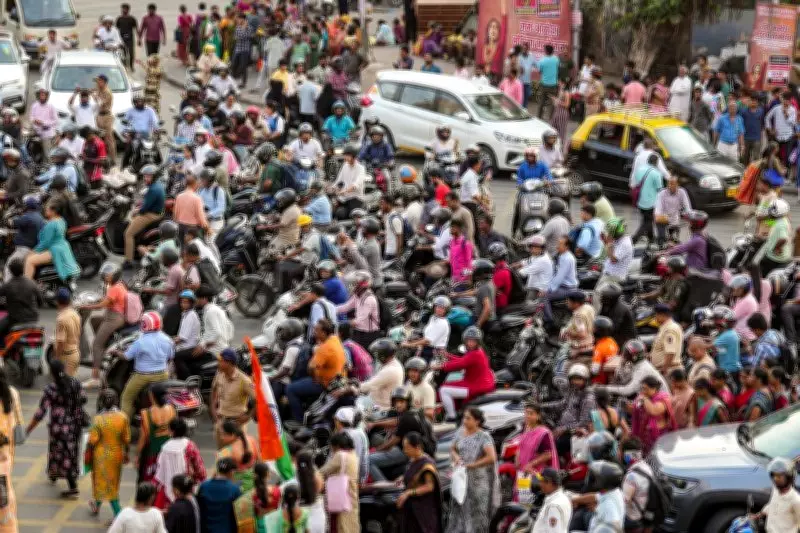
A woman who confronted a Bharatiya Janata Party (BJP) minister over a massive traffic jam caused during a rally in Mumbai has now been booked with a police complaint. The incident, which occurred earlier this week, has sparked a debate about the privileges extended to politicians and the inconvenience caused to ordinary citizens.
Details of the Incident
The woman, identified as a local resident, was seen in a viral video arguing with the minister after being stuck in traffic for hours. The rally, which was part of the BJP's campaign activities, led to severe congestion on key routes in the city. In the video, the woman can be heard expressing her anger over the lack of prior notice and the disregard for public convenience.
Police Complaint
Following the confrontation, a complaint was filed against the woman by a local BJP worker, accusing her of creating a nuisance and using abusive language. The police have registered a case under relevant sections of the Indian Penal Code. However, the woman has defended her actions, stating that she was merely expressing the frustration of thousands of commuters who were affected by the rally.

Public Reaction
The incident has drawn mixed reactions. Many citizens have come out in support of the woman, criticizing the VIP culture that often leads to disruptions in daily life. Social media platforms have been flooded with hashtags demanding accountability from political leaders. On the other hand, some have condemned the woman's approach, arguing that confrontations should be avoided.
Broader Implications
This event has once again brought to the forefront the issue of VIP culture in India. Political rallies and processions frequently cause traffic jams and inconvenience to the public, with little regard for their impact. Experts argue that there is a need for better planning and communication to minimize disruptions. The case is also a reminder of the power dynamics between politicians and ordinary citizens, and the consequences of speaking out against authority.
As the legal proceedings unfold, the woman's case has become a symbol of resistance against unchecked privilege. It remains to be seen how the authorities will handle the complaint and whether this incident will lead to any policy changes regarding the conduct of political rallies.






