

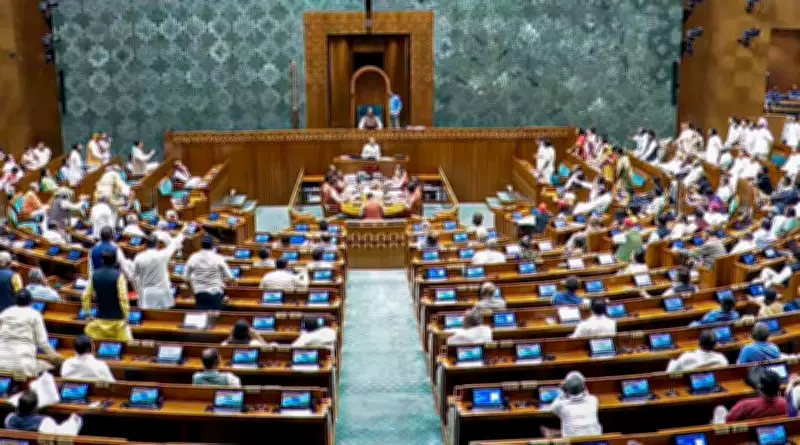
India's Women Remain Missing in Higher Legislative Bodies
In a stark reflection of gender disparities in Indian politics, women continue to be significantly underrepresented in the nation's higher legislative bodies, including Parliament and state assemblies. Recent data and analyses highlight persistent gaps that hinder women's full participation in political leadership and decision-making processes.
Persistent Underrepresentation in Parliament
The Lok Sabha, India's lower house of Parliament, currently has only about 14% women members, a figure that falls far short of global averages and the proposed 33% reservation for women in legislative bodies. Similarly, the Rajya Sabha, the upper house, shows comparable underrepresentation, with women holding fewer than 15% of seats. This trend is not new; historical data reveals that women's representation in Parliament has remained low for decades, despite occasional increases.
State Assemblies Mirror National Trends
At the state level, the situation is equally concerning. Many state assemblies across India report women's representation below 10%, with some states having as few as 5% women legislators. For instance, states like Uttar Pradesh and Bihar, which have large populations, show particularly low numbers of women in their legislative bodies. This underrepresentation limits women's influence on state policies and governance, affecting issues ranging from education to healthcare.

- Societal Norms: Deep-rooted patriarchal attitudes and cultural barriers often discourage women from entering politics or seeking higher legislative roles.
- Political Party Dynamics: Many political parties in India are reluctant to field women candidates in winnable seats, preferring male candidates due to perceived electoral advantages.
- Lack of Support Systems: Women in politics frequently face challenges such as limited access to funding, mentorship, and safe working environments, which can deter participation.
- Legal and Policy Hurdles: While the Women's Reservation Bill proposes 33% seats for women in Parliament and state assemblies, it has faced delays and opposition, stalling progress.
Impact on Governance and Policy
The underrepresentation of women in higher legislative bodies has tangible effects on India's governance. Studies suggest that increased women's participation leads to more inclusive policies, particularly in areas like health, education, and social welfare. Without adequate representation, women's issues may be overlooked in legislative debates and decisions, perpetuating gender inequalities.
Efforts to address this gap include advocacy for the Women's Reservation Bill, grassroots movements encouraging women to enter politics, and initiatives by civil society organizations to train women leaders. However, progress has been slow, and experts emphasize the need for sustained action to achieve gender parity in India's legislative bodies.
In conclusion, while India has made strides in various sectors, the persistent underrepresentation of women in higher legislative bodies remains a critical challenge. Addressing this issue requires concerted efforts from political parties, policymakers, and society at large to ensure that women's voices are adequately heard in the halls of power.






