

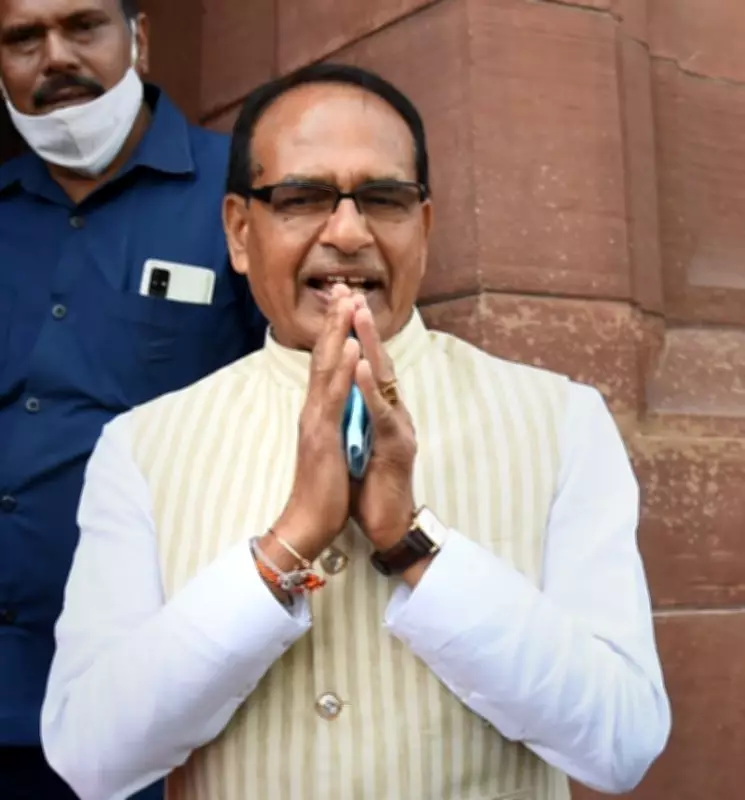
Shivraj Chouhan Condemns 'Black Day for Sisters' as Women's Quota Bill Fails in Lok Sabha
In a dramatic turn of events, the Women's Reservation Bill, which aimed to reserve seats for women in Parliament and state legislatures, has failed to pass in the Lok Sabha. The bill, a long-standing demand for gender equality in Indian politics, faced significant opposition, leading to its defeat during the parliamentary session.
Chouhan's Strong Criticism of Opposition Parties
Senior BJP leader and former Chief Minister of Madhya Pradesh, Shivraj Singh Chouhan, expressed his outrage over the bill's failure. He slammed the opposition parties, accusing them of obstructing the legislation and calling it a "black day for sisters" across the country. Chouhan emphasized that the bill's passage was crucial for empowering women and ensuring their representation in decision-making bodies.
Chouhan stated, "This is a sad day for Indian democracy. The opposition has shown its true colors by blocking a bill that would have given women a voice in our political system. It's a betrayal of the aspirations of millions of women who look up to us for change." He urged the government and other stakeholders to reconsider the bill and push for its enactment in the future.

Details of the Bill and Its Implications
The Women's Reservation Bill, also known as the Constitution (108th Amendment) Bill, proposed to reserve one-third of all seats in the Lok Sabha and state legislative assemblies for women. This move was seen as a significant step towards addressing gender disparity in Indian politics, where women currently hold only about 14% of seats in the Lok Sabha.
Key aspects of the bill included:
- Reservation of 33% seats for women in the Lok Sabha and state assemblies.
- Rotation of reserved seats to ensure fair representation across constituencies.
- Implementation after the delimitation exercise based on the latest census.
Proponents argued that the bill would enhance women's participation in governance and lead to more inclusive policies. However, critics raised concerns about potential disruptions in the political landscape and the need for broader consensus.
Opposition's Role and Political Fallout
The failure of the bill has sparked a political controversy, with the ruling party and opposition trading blame. While the BJP and its allies supported the bill, several opposition parties, including some regional outfits, expressed reservations or outright opposition. Issues such as the lack of quota for women from marginalized communities and the timing of the bill were cited as reasons for the dissent.
Political analysts suggest that this setback could impact upcoming elections and public perception. Women's rights groups have also voiced disappointment, calling for renewed efforts to pass the legislation. The incident highlights the ongoing challenges in achieving gender parity in Indian politics and the need for bipartisan cooperation on such critical issues.
In conclusion, the failure of the Women's Reservation Bill in the Lok Sabha marks a significant moment in Indian parliamentary history. Shivraj Chouhan's strong condemnation underscores the emotional and political stakes involved. As debates continue, the focus remains on whether future sessions will see a revival of this pivotal bill to empower women across the nation.






