

Women's Reservation: A Movement of Purpose, Not Just a Celebration of Policy
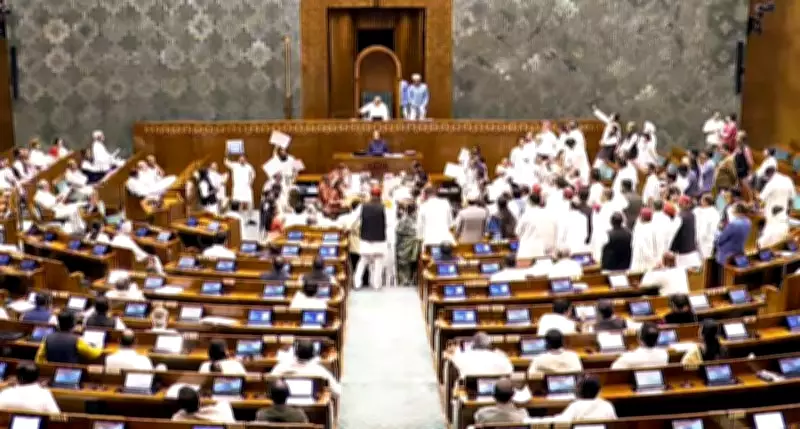
The Narendra Modi government is pushing forward with the implementation of the 128th Constitutional Amendment Bill, 2023, a landmark initiative designed to ensure that one-third of the seats in both Parliament and state legislatures will be reserved for women. This move, known as the Nari Shakti Vandan Adhiniyam, is set to take effect after the first census conducted after 2026 and the subsequent delimitation process.
Expanding Representation: Key Changes and Numbers
Under the proposed amendments, the number of Lok Sabha seats is expected to increase significantly from the current 543 to 816. Out of these, 273 seats will be specifically reserved for women, marking a substantial shift in the political landscape of India. This expansion aims to address the longstanding underrepresentation of women in governance, where currently, women MLAs in state legislatures account for just 8 percent, far below the world average of 25 percent.
Voices from the Ground: Support and Scrutiny
While many political leaders across party lines have welcomed the bill, questions have been raised about the timing. Some critics wonder why the government cannot wait for the delimitation to occur naturally after the census, instead of hastening the process now. Despite these concerns, women from various sectors emphasize the urgent need for such legislation to accelerate female participation in governance.

Rekha Mody, founder of Stree Shakti - The Parallel Force, highlighted the historical significance, stating, "The step to amend the Women's Reservation Bill to ensure political empowerment of women is a historic and timely step. It has been 79 years since freedom... without reservation, it will take over 100 years to reach 33 percent. Reservation is essential for India’s growth."
Kanwaljeet Kaur, president of Zila Parishad in Kurushetra, connected the bill to Mahatma Gandhi's vision, saying, "The amendment not only accelerates political empowerment but also reaffirms the nation's commitment to gender justice. When women unite in the force of non-violence, they become an unstoppable power for change."
A Broader Impact: Beyond Policy to Purpose
Kunwarani Ritu Singh, an activist from Ladakh, described the bill as more than just a policy decision. She said, "The Nari Shakti Vandan Adhiniyam is a restoration of balance and a reaffirmation of the rightful place of women in shaping the nation’s destiny. It opens doors for millions of women to participate in governance, decision-making, and nation-building, sending a powerful message that every girl's voice matters."
She urged that this should not merely be a celebration of policy but evolve into a movement of purpose, where women rise to lead and inspire future generations.
Expert Insights: Challenges and Opportunities
Padmashri Guru Shovana Narayan pointed out that despite women's advancements in other fields, their political representation remains low. She noted, "The Women’s Reservation Bill could address this by ensuring a fixed percentage of seats, promoting presence, and encouraging grassroots engagement. For lasting impact, it must be supported by political training and awareness initiatives."
She added that women parliamentarians could enhance policymaking by focusing on critical areas such as:
- Education and healthcare
- Gender-based violence and economic empowerment
- Maternal health and workplace equality
- Environmental issues and rural development
- Cultural heritage for nation-building
Manisha Gawade, an artist-curator, emphasized the need for fairness, stating, "Women represent 50% of our population, and one wonders what we were waiting for all these years. Stress on art and culture is an issue that should be raised by women parliamentarians, along with promoting women's employment to change society for the better."

Looking Ahead: Implementation and Expectations
The bill's implementation hinges on the post-2026 census and delimitation, which will redefine constituency boundaries. This process is crucial for ensuring that the reserved seats are allocated fairly and effectively across the country. As the government moves forward, the focus will be on translating this legislative opportunity into tangible outcomes, fostering confident and capable women leaders who can drive inclusive democracy.
In summary, the Women's Reservation Bill represents a transformative step towards gender justice in Indian politics. By increasing seats and ensuring reservation, it aims to bridge the representation gap and empower women to play a more significant role in shaping the nation's future. The real test will be in how this policy translates into a sustained movement of purpose, empowering women at all levels of governance.





