The Women's Reservation Bill: A Historic Struggle for Political Representation
The Women's Reservation Bill, officially known as the Constitution (One Hundred and Twenty-Eighth Amendment) Bill, 2023, represents a monumental shift in India's political landscape. Its passage marks the culmination of a journey spanning over two decades, fraught with challenges, debates, and persistent advocacy. This bill aims to reserve one-third of seats in the Lok Sabha and state legislative assemblies for women, addressing long-standing gender disparities in political participation.
Origins and Early Proposals
The concept of women's reservation in Indian politics dates back to the 1990s, with initial discussions gaining momentum during the tenure of Prime Minister H.D. Deve Gowda. In 1996, the first official bill was introduced in the Lok Sabha by the United Front government, but it lapsed due to the dissolution of Parliament. Subsequent attempts in 1998 and 1999 under the Atal Bihari Vajpayee-led National Democratic Alliance (NDA) government also faced similar fates, failing to secure the necessary consensus for passage.
Political Hurdles and Opposition
The bill's journey was consistently hampered by deep-seated political resistance. Key obstacles included disagreements over the inclusion of sub-quotas for Other Backward Classes (OBCs) and minority communities, as well as concerns from regional parties about potential disruptions to existing electoral dynamics. Many political leaders argued that reservation might not translate into genuine empowerment, while others feared it could undermine merit-based selection. These debates often led to parliamentary stalemates, with the bill being referred to standing committees multiple times for review.

Implementing the Women's Reservation Bill required a constitutional amendment, as it involved altering the composition of elected bodies. This necessitated a two-thirds majority in both houses of Parliament, followed by ratification by at least half of the state legislatures. The legal framework also had to address issues such as the delimitation of constituencies and the rotation of reserved seats to prevent the entrenchment of political dynasties. These complexities added layers of difficulty to the legislative process, delaying progress for years.
Societal and Cultural Barriers
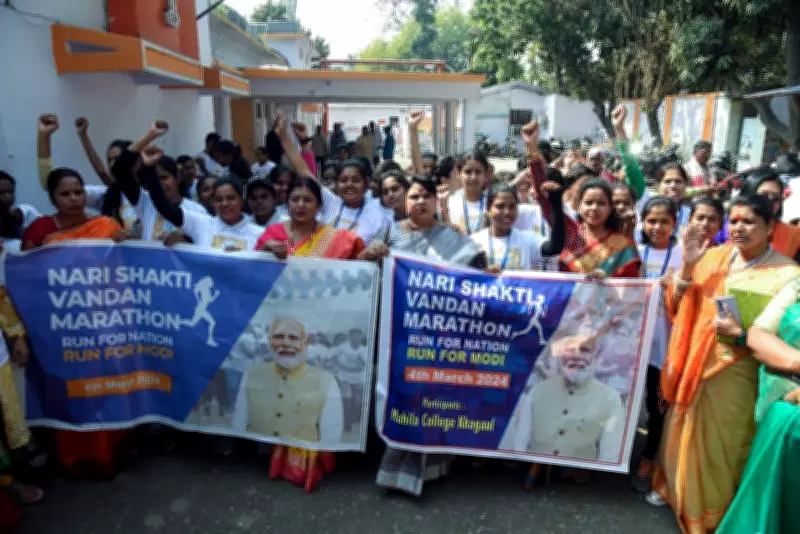
Beyond politics, the bill faced resistance from societal norms and cultural attitudes that traditionally limited women's roles in public life. In many parts of India, women's participation in politics was discouraged due to patriarchal structures, safety concerns, and lack of financial independence. Advocacy groups and women's organizations played a crucial role in challenging these barriers, organizing campaigns, and raising awareness about the importance of gender equality in governance. Their efforts helped build public support and pressure political parties to reconsider their stances.
Milestones and Recent DevelopmentsIn 2010, a significant milestone was achieved when the Rajya Sabha passed the Women's Reservation Bill during the United Progressive Alliance (UPA) government, but it stalled in the Lok Sabha. The issue regained prominence in the 2020s, with renewed calls for action from civil society and international bodies. Finally, in 2023, the bill was reintroduced and passed by both houses of Parliament, with broad cross-party support, signaling a shift in political will. This followed extensive consultations and amendments to address earlier concerns, such as linking implementation to the delimitation exercise after the 2026 census.
Impact and Future Implications
The enactment of the Women's Reservation Bill is expected to have far-reaching effects on Indian democracy. By increasing women's representation, it aims to bring diverse perspectives to policymaking, address gender-specific issues like healthcare and education, and inspire more women to enter politics. However, challenges remain, including ensuring effective implementation, preventing tokenism, and supporting women candidates with training and resources. The bill's success will ultimately depend on how it is operationalized and integrated into the broader electoral system.

In summary, the Women's Reservation Bill's journey from a contentious proposal to a historic law underscores the complexities of achieving gender parity in politics. Its passage reflects decades of struggle, adaptation, and evolving societal values, setting a precedent for future reforms in India and beyond.