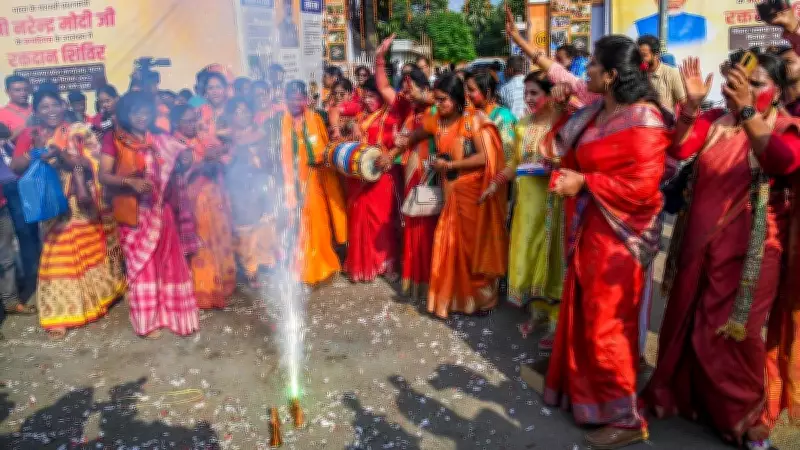
Women's Reservation Bill: Electoral Strategy or Genuine Reform?
The recent fast-tracking of the Women's Reservation Bill in India has ignited a fiery debate across political and social spheres. This landmark legislation, which aims to reserve one-third of seats in the Lok Sabha and state legislative assemblies for women, is being hailed by some as a long-overdue step toward gender equality in politics. However, critics argue that its timing, just ahead of major elections, suggests it may be more about electoral tactics than substantive reform.
The Push for Gender Parity
Proponents of the bill emphasize its potential to transform India's political landscape. They point to decades of advocacy and data showing that women remain severely underrepresented in legislative bodies. Currently, women hold only about 14% of seats in the Lok Sabha, far below the global average. The bill, if implemented, could increase this to 33%, empowering millions of women and bringing diverse perspectives to governance.
Key arguments in favor include:- Enhanced representation of women's issues in policy-making.
- Potential to break patriarchal structures in politics.
- Alignment with global trends toward gender-inclusive governance.
Electoral Timing and Skepticism
On the other hand, skeptics question the sincerity behind the bill's sudden prioritization. With general elections looming, some analysts view this move as a strategic ploy to woo women voters, who constitute nearly half of the electorate. They argue that similar bills have been stalled for years, and the current urgency may be driven by electoral calculations rather than a genuine commitment to reform.

- Lack of clarity on implementation timelines and mechanisms.
- Potential for tokenism without addressing deeper systemic barriers.
- Historical precedents where such measures were delayed or diluted.
Broader Implications for Indian Democracy
Beyond the immediate debate, the Women's Reservation Bill raises fundamental questions about the nature of political reform in India. If passed, it could set a precedent for other marginalized groups seeking representation. However, its success will depend on robust enforcement and complementary measures, such as capacity-building for women candidates and addressing socio-economic hurdles.
Ultimately, whether this bill represents a genuine reform or an electoral tactic will be judged by its implementation and long-term impact. As discussions continue, it underscores the complex interplay between politics, gender, and democracy in modern India.