

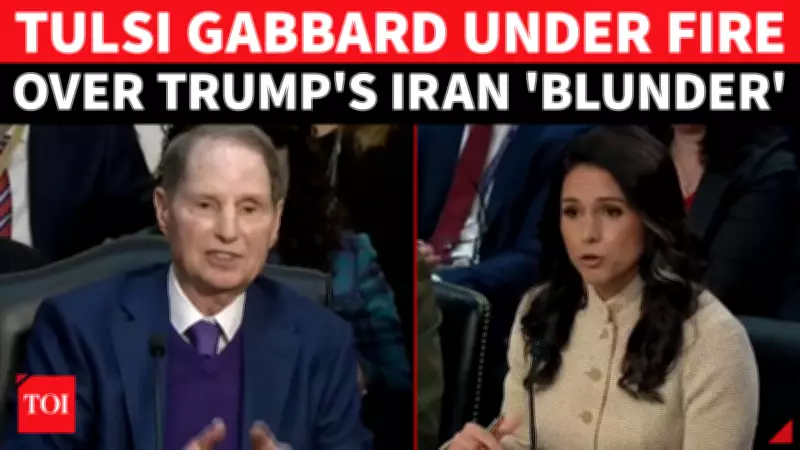
Senator Wyden Confronts Intelligence Director Gabbard Over Iran Conflict Risks
High-stakes drama erupted during a Senate Intelligence Committee hearing as Democratic Senator Ron Wyden pressed Director of National Intelligence Tulsi Gabbard on the escalating Middle East conflict. The intense exchange focused on potential consequences for American military personnel and the national economy.
Wyden Questions Intelligence Assessments on Iranian Capabilities
Senator Wyden demanded to know whether U.S. intelligence agencies had conducted thorough assessments of Iran's military capabilities. Specifically, he inquired about Tehran's potential to retaliate against American strikes and its ability to blockade the strategically vital Strait of Hormuz.
The senator characterized the ongoing conflict as a "historic mistake" with far-reaching implications. He emphasized that the world currently faces a severe global energy crisis, and American economic stability hangs in the balance.

Economic and Strategic Concerns Take Center Stage
Wyden's questioning highlighted deep concerns within the Senate about the broader ramifications of military engagement with Iran. The Strait of Hormuz serves as a critical maritime chokepoint for global oil shipments, and any disruption could trigger catastrophic economic consequences.
The hearing revealed growing apprehension about protecting U.S. troops stationed in the region while simultaneously safeguarding the American economy from potential shockwaves. Wyden's pointed interrogation underscored the complex national security calculations facing policymakers.
Global Context of the Middle East Conflict
The Senate hearing occurred against a backdrop of heightened tensions throughout the Middle East. Recent developments have included:
- Increased military posturing by various regional actors
- Escalating threats to international shipping lanes
- Growing concerns about energy infrastructure security
- Mounting diplomatic challenges for U.S. allies in the region
Director Gabbard's responses to Wyden's inquiries are expected to influence future congressional debates about U.S. foreign policy and military strategy in the volatile Middle East theater.






