Youth Congress President Uday Bhanu Arrested Following Shirtless Demonstration at AI Summit
In a dramatic turn of events, the president of the Youth Congress, Uday Bhanu, was taken into custody by Delhi Police on Wednesday. The arrest followed a provocative and unconventional protest staged by Bhanu at a high-profile artificial intelligence summit being held in the national capital. The incident has ignited a fresh wave of political controversy, drawing attention to the intersection of technology, governance, and public dissent.
Details of the Shirtless Protest Incident
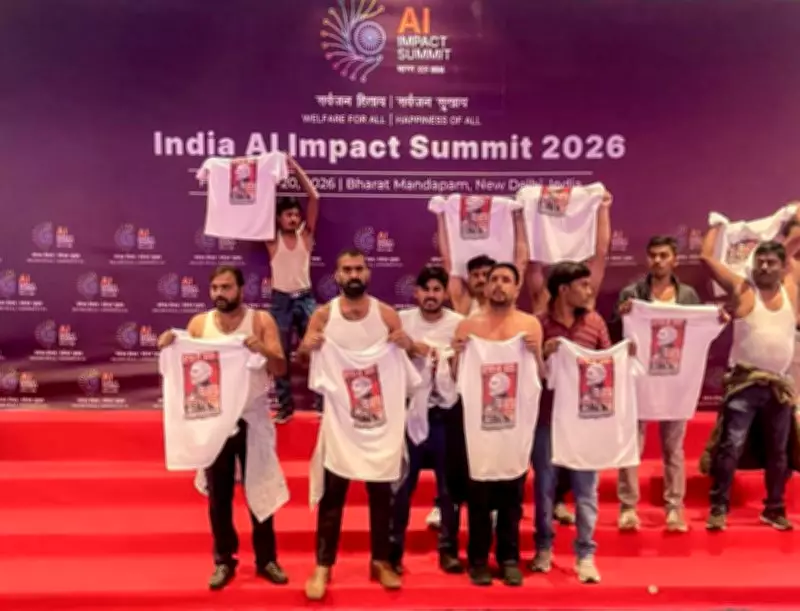
According to official reports and eyewitness accounts, Uday Bhanu arrived at the venue of the AI summit, which was attended by government officials, tech experts, and industry leaders. In a bold move to draw media and public attention, Bhanu removed his shirt as a symbolic act of protest. He then proceeded to shout slogans and voice his criticisms against the current administration's policies, particularly focusing on issues related to technological development and its impact on youth employment.
The protest was described as chaotic and disruptive, with security personnel quickly intervening to restrain Bhanu. Despite attempts to de-escalate the situation, the demonstration led to a temporary halt in the summit proceedings, causing embarrassment for the organizers and prompting immediate police action.

Police Response and Legal Charges
Delhi Police officials confirmed that Uday Bhanu was arrested on the spot for violating public order and engaging in behavior deemed unlawful under sections of the Indian Penal Code. The charges are reported to include causing a public nuisance, obstructing government work, and potentially inciting unrest. Authorities emphasized that while peaceful protest is a democratic right, Bhanu's actions crossed legal boundaries by disrupting a sanctioned event and creating a security risk.
Bhanu was subsequently taken to a local police station for questioning, where he is expected to be formally charged. Legal experts suggest that the case could involve fines or short-term detention, depending on the severity of the charges as interpreted by the courts.
Political Reactions and Broader Implications
The arrest has triggered swift reactions from across the political spectrum. Leaders from the Indian National Congress, the parent organization of the Youth Congress, have condemned the arrest as an overreach and an attempt to stifle legitimate dissent. They argue that Bhanu's protest was a peaceful expression of concern over the government's AI policies, which they claim neglect the welfare of young Indians.
Conversely, representatives of the ruling party have defended the police action, stating that the protest was an inappropriate and disrespectful act that undermined a serious technological forum. They accused the Youth Congress of resorting to sensationalism rather than engaging in constructive dialogue.
This incident underscores the growing tensions between political youth wings and the establishment, especially in contexts involving emerging technologies like artificial intelligence. It also raises questions about the limits of protest in India's democratic framework and how such events are managed by law enforcement.
Background on Uday Bhanu and the AI Summit
Uday Bhanu, a prominent youth leader, has been active in political circles, often using unconventional methods to highlight issues affecting students and young professionals. The AI summit in question was a significant event aimed at discussing India's strategy for integrating artificial intelligence into various sectors, including education, healthcare, and industry. Critics, including Bhanu, have voiced concerns that such initiatives may exacerbate unemployment and inequality if not implemented with adequate safeguards.
The protest and subsequent arrest are likely to fuel ongoing debates about youth engagement in politics and the role of technology in shaping India's future. As the legal process unfolds, this case is expected to remain in the public eye, symbolizing the clash between traditional protest methods and modern governance challenges.