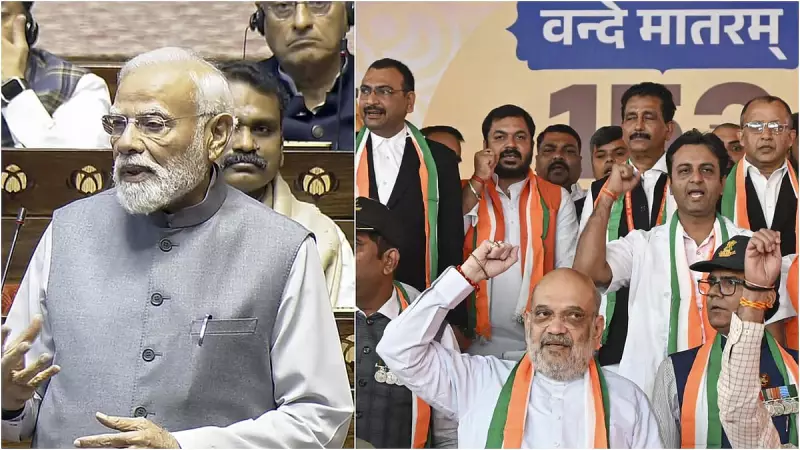
The Lok Sabha is set to witness a significant and extensive discussion later this week, dedicated to commemorating a landmark moment in India's cultural history. The lower house of Parliament will debate the 150th anniversary of the national song, Vande Mataram, in a session expected to span several hours.
Special Session for a National Icon
According to a senior BJP Member of Parliament, the Lok Sabha has allocated a substantial block of time for this commemorative event. A total of 10 hours has been designated for the discussion, underscoring the importance Parliament attaches to the occasion. The debate is scheduled to take place in the coming days, bringing the focus of the nation's highest legislative body to this iconic composition.
Prime Minister's Participation Highlighted
Adding considerable weight to the proceedings, Prime Minister Narendra Modi is expected to address the house during this special discussion. His participation is anticipated to be a central feature of the event, drawing attention from across the political spectrum. The discussion aims to reflect on the historical journey, profound meaning, and enduring legacy of Vande Mataram in the Indian national consciousness.

Commemorating a Legacy
The move to hold this extended debate highlights the continued reverence for Vande Mataram, which was first composed by Bankim Chandra Chattopadhyay in the 1870s. The song became a powerful anthem during India's struggle for independence and was later accorded the status of the national song. The 10-hour discussion in the Lok Sabha serves as an official parliamentary tribute to its 150-year journey, celebrating its role in unifying the nation and inspiring generations.
This parliamentary initiative is seen as a major event in the current session, blending cultural commemoration with national pride. It provides a platform for lawmakers to deliberate on the song's historical context, its constitutional status, and its contemporary relevance in modern India.