

Budget 2026 Session: Parliament Commences Motion of Thanks Debate with BJP Leading the Way
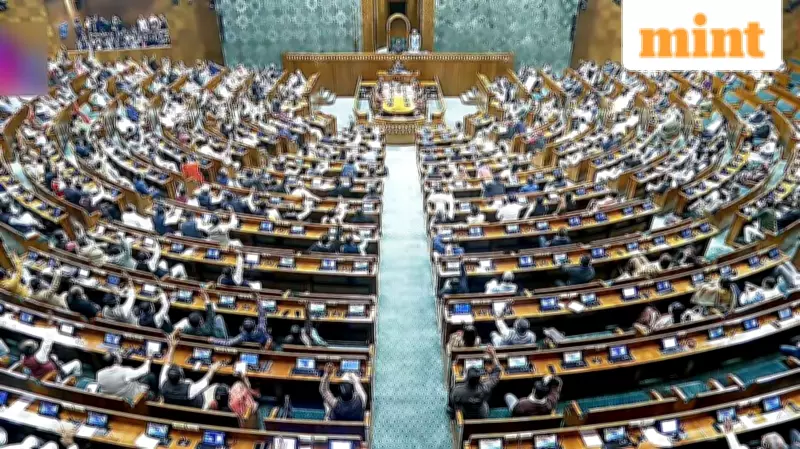
The ongoing Budget Session of Parliament has entered a crucial phase as discussions on the Motion of Thanks to the President's address kick off today in the Lok Sabha. This significant parliamentary procedure sets the stage for a detailed debate on the government's policies and the recently presented Union Budget for 2026-27.
BJP MPs to Initiate Proceedings in Both Houses
In the Lok Sabha, Union Minister Sarbananda Sonowal will commence the discussion on behalf of the Bharatiya Janata Party (BJP), with fellow party MP Tejasvi Surya seconding the motion. Over in the Rajya Sabha, BJP MP C Sadanandan Master will move the motion, supported by party colleague Medha Vishram Kulkarni. Prime Minister Narendra Modi is expected to deliver his reply on 4 February, adding weight to the government's stance.
18 Hours Allocated for Lok Sabha Debate
The government has earmarked a substantial 18 hours in the Lok Sabha for the discussion on the Motion of Thanks. This decision was finalized during a meeting of the Lok Sabha's Business Advisory Committee (BAC) held on Thursday. The extended time frame underscores the importance of this debate in the parliamentary calendar.

Union Finance Minister Nirmala Sitharaman, who presented her record ninth budget on Sunday, is slated to respond to the discussions on 11 February. The Budget Session, which commenced on 28 January, will span 30 sittings over 65 days, concluding on 2 April. A recess is scheduled from 13 February to 9 March, allowing Standing Committees to scrutinize the Demands for Grants of various ministries and departments.
Union Budget 2026-27: A Mixed Reception
The Union Budget 2026-27, unveiled by Nirmala Sitharaman, has elicited contrasting reactions from political quarters. The Bharatiya Janata Party has hailed it as a strong foundation for Viksit Bharat 2047, emphasizing its focus on self-reliance, infrastructure growth, and youth employment. Prime Minister Modi described the budget as providing fresh energy and speed to the 'Reform Express' that India is currently riding.
Conversely, Opposition parties have criticized the budget, labeling it a missed opportunity. They argue that it overlooks critical issues such as:
- Inflation and unemployment
- Concerns raised by states like Kerala, Tamil Nadu, and Odisha
- Deepening economic inequality
Opposition Set to Field Key Leaders
The debate in both Houses is anticipated to be intense, with the Opposition planning to deploy top leaders to voice their concerns. In the Lok Sabha, notable figures expected to participate include:
- Leader of Opposition Rahul Gandhi
- Priyanka Gandhi Vadra (Congress)
- Akhilesh Yadav (SP)
- Abhishek Banerjee (TMC)
In the Rajya Sabha, the Opposition lineup may feature:
- Leader of Opposition Mallikarjun Kharge
- Derek O'Brien (Trinamool)
- Ramgopal Yadav (SP)
- Manoj K Jha (RJD)
- Tiruchi Siva (DMK)
- John Brittas (CPI)
Key Issues Likely to Dominate Discussions
The Opposition is expected to raise several contentious issues during the debate, including:
- Repeal of MGNREGA
- UGC equity regulations
- Allegations of vote theft
- Special Intensive Revision (SIR) of electoral rolls
As Parliament embarks on this pivotal discussion, the Motion of Thanks debate promises to be a platform for robust political discourse, reflecting the diverse perspectives on India's economic trajectory and governance priorities under Budget 2026.






