ESPN's Major Production Error During Memorial Segment Sparks Outrage
The sports world is grappling with a profound sense of loss following the tragic passing of 25-year-old NFL player Rondale Moore, whose life ended far too soon. In what should have been a moment of solemn reflection and tribute, ESPN's SportsCenter broadcast instead became the center of a massive controversy that has left fans and colleagues deeply disturbed.
A Heartbreaking Mistake During Sensitive Broadcast
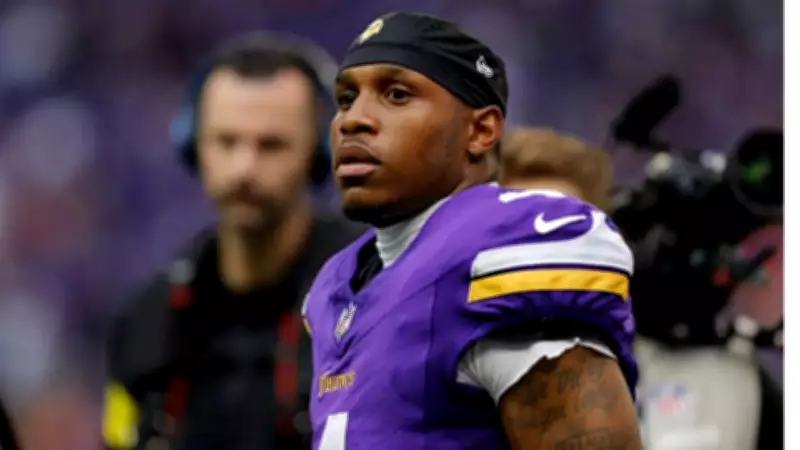
During a live SportsCenter segment dedicated to honoring Moore's memory, host Scott Van Pelt delivered heartfelt remarks about the young athlete's untimely death. However, as Van Pelt spoke with genuine emotion, the production team behind him committed an unforgivable error: the screen displayed photographs of Myles Price instead of Rondale Moore.
This wasn't merely a technical glitch or simple typo. In the most sensitive moment imaginable—a televised memorial for a deceased athlete—the self-proclaimed "Worldwide Leader in Sports" failed to perform the most basic verification. The mistake sent shockwaves through the sports community, with many describing it as a gut-wrenching display of disrespect.

Professional Standards and Human Decency Called Into Question
The error raises serious questions about ESPN's production standards and editorial oversight. When a major network confuses two athletes during a death announcement, it suggests these players are viewed as interchangeable commodities rather than individuals with unique identities and legacies.
Rondale Moore was celebrated for his exceptional speed, infectious smile, and remarkable work ethic that propelled him from small-town prominence to the NFL stage. To have his memorial overshadowed by another athlete's image represents more than just professional negligence—it constitutes a failure of basic human decency during a time of profound grief.
Internet Backlash and Historical Context of Similar Errors
The digital sphere has erupted with justified anger over ESPN's blunder. Fans across social media platforms have labeled the mistake "unacceptable," "disrespectful," and indicative of systemic laziness within sports broadcasting.
This incident becomes particularly frustrating when viewed in historical context. Sports networks have repeatedly misidentified athletes on national television, raising the question: How many times must these errors occur before networks implement more rigorous verification systems?
The Human Cost Beyond the Broadcast Error
Beyond the production mistake lies a deeper human tragedy. A family mourns the loss of a beloved son and brother. A locker room feels the absence of a teammate. A community processes a devastating loss that authorities are investigating as a possible suicide.
In such moments, accuracy transcends professional obligation—it becomes a fundamental form of respect for the deceased, their loved ones, and their legacy. ESPN owes the Moore family, Myles Price (who was inadvertently dragged into this controversy), and sports fans worldwide more than a quiet correction or internal review.
A Call for Better Standards in Sports Journalism
Rondale Moore deserved a tribute that focused entirely on his accomplishments—his remarkable catches, breathtaking speed, and the life he lived with such passion. Instead, his memory has become entangled in a conversation about production failures and institutional shortcomings.
This incident serves as a stark reminder that sports journalism must elevate its standards when covering tragedy. The athletes who dedicate their lives to entertaining millions deserve to be honored with the same precision and care they demonstrate in their professions. As the sports community continues to mourn Rondale Moore's passing, there's a collective hope that this painful episode will catalyze meaningful change in how networks approach sensitive coverage.