Former CJI Gavai Deposes Before Parliamentary Panel on Simultaneous Elections
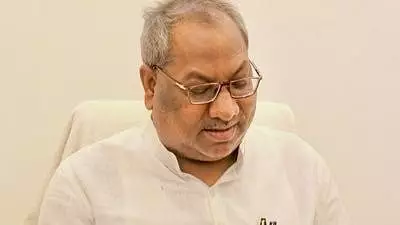
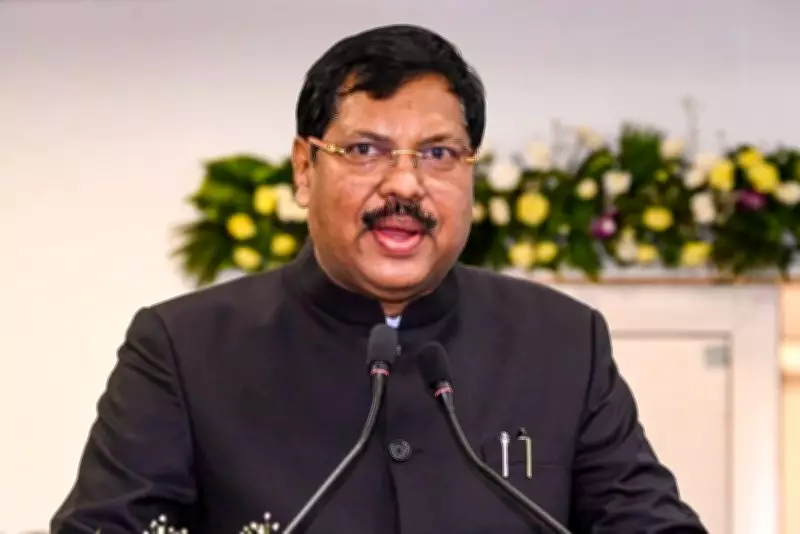
In a significant development for India's electoral landscape, former Chief Justice of India U.U. Lalit Gavai recently appeared before a parliamentary panel to provide his expert testimony on the contentious issue of simultaneous elections. During his deposition, Justice Gavai asserted that the concept of holding Lok Sabha and state assembly polls together is firmly within the constitutional framework of the country, offering a legal perspective that could shape future policy discussions.
Key Testimony on Constitutional Validity
Justice Gavai, who served as the 49th Chief Justice of India from August 2022 to November 2022, emphasized that the Indian Constitution does not explicitly prohibit the synchronization of elections. He highlighted that while the current system involves staggered polls, the foundational legal document allows for flexibility in electoral processes, provided amendments are made through proper parliamentary procedures. His testimony is seen as a crucial input for the panel, which is examining the feasibility and implications of implementing simultaneous elections nationwide.
Background and Panel's Mandate
The parliamentary panel, constituted to study the proposal for simultaneous elections, has been gathering views from various stakeholders, including legal experts, political leaders, and election officials. The concept aims to reduce the frequency of polls, thereby minimizing disruptions to governance and cutting down on massive election-related expenditures. Proponents argue that it could lead to more stable governments and focused policy implementation, while critics raise concerns about federalism and the potential dilution of regional issues.

Implications for Electoral Reforms
Justice Gavai's deposition adds a layer of legal credibility to the debate, suggesting that constitutional hurdles may not be as insurmountable as previously thought. However, he also noted that any move towards simultaneous elections would require careful consideration of logistical challenges, such as aligning the terms of state assemblies with the Lok Sabha and addressing scenarios like mid-term dissolutions. The panel is expected to compile its findings and recommendations based on such testimonies, which could influence future legislative actions on electoral reforms.
Reactions and Next Steps
The testimony has sparked mixed reactions across political circles, with some welcoming it as a step towards modernizing India's electoral system and others cautioning against hasty changes. The parliamentary panel will continue its deliberations, possibly calling more witnesses and examining comparative international practices. As the discussion evolves, Justice Gavai's insights are likely to remain a reference point for assessing the constitutional viability of simultaneous elections in India.