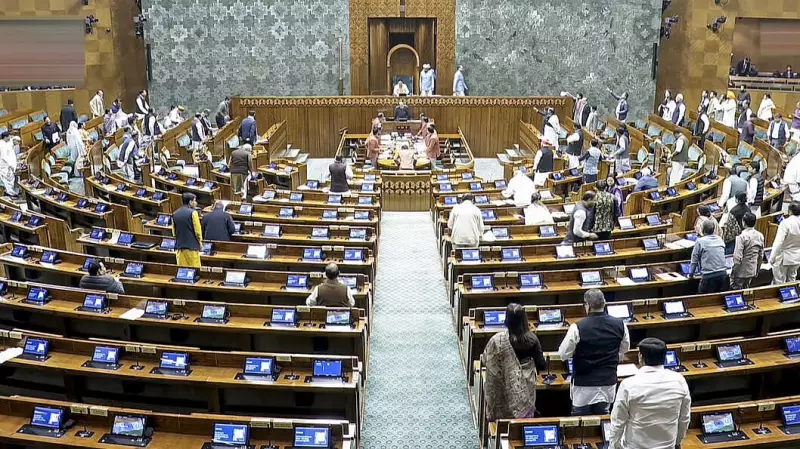
The Narendra Modi-led government is moving decisively to pass two significant pieces of legislation in the Lok Sabha today, choosing to proceed without referring the draft laws to Parliamentary committees for detailed scrutiny. This move comes despite persistent demands from the Opposition for a more thorough review process.
Key Bills Face Vote Amid Political Tensions
The government's agenda for the day includes the passage of the SHANTI Bill concerning the nuclear sector and the VB-G RAM G Bill related to the rural employment guarantee scheme. The introduction of these bills marks a critical moment in the current parliamentary session, highlighting the government's legislative priorities.
Opposition parties, led by the Congress, have argued that such important legislation warrants examination by dedicated Parliamentary committees. These committees allow for expert testimony, cross-party discussions, and clause-by-clause analysis, which the Opposition believes would strengthen the final laws. However, the government has opted for a direct approach, bringing the bills for discussion and passage in the lower house.

Congress Responds with Three-Day Whip for MPs
In response to the government's legislative push, the Congress party has taken a firm stand. The party has officially issued a whip to all its Members of Parliament in the Lok Sabha. This directive mandates the presence of its MPs in the House for the next three days, signaling an expectation of intense debate and potential voting on these and other matters.
The issuance of a whip underscores the political significance attached to these bills. It ensures party discipline and a unified presence, which is often crucial during close votes or contentious discussions. The move sets the stage for a potentially charged atmosphere in Parliament as the government and opposition lock horns over the legislative agenda.
Implications for Parliamentary Process and Policy
The decision to bypass the committee stage accelerates the legislative timeline but also raises questions about the depth of parliamentary scrutiny. Proponents argue it allows for swift implementation of important policies, while critics contend it may bypass valuable oversight.
The SHANTI Bill's focus on the nuclear sector could have long-term implications for India's energy security and technological advancement. Simultaneously, amendments or changes proposed through the VB-G RAM G Bill for rural employment directly impact a flagship social welfare scheme affecting millions. The outcomes of today's proceedings will be closely watched by policy analysts, stakeholders, and the public alike, as they will shape key areas of national development and social policy.