

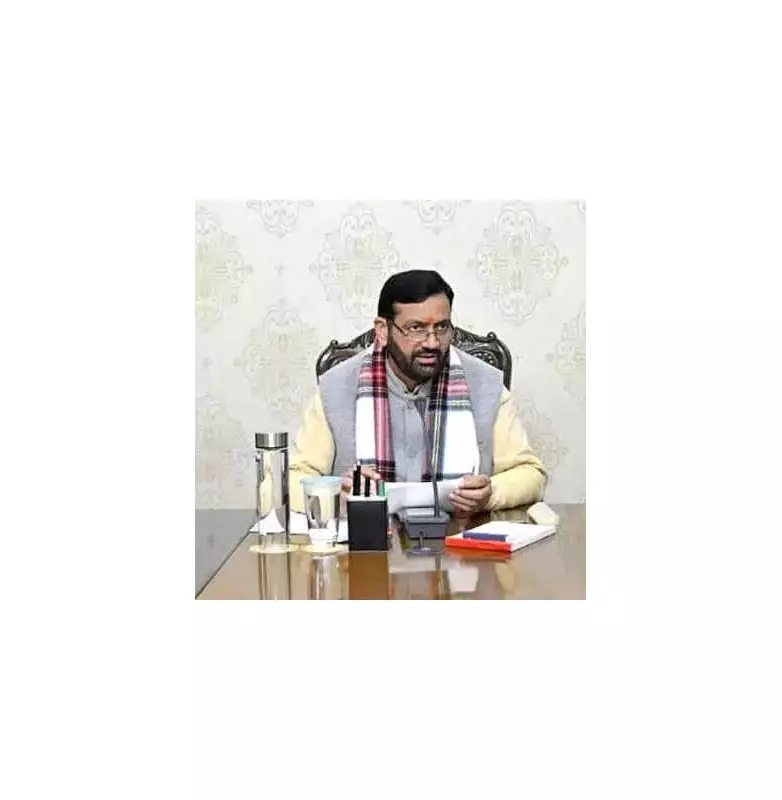
The Winter Session of the Haryana Legislative Assembly, which began on December 18, concluded with significant legislative business and robust discussions, as highlighted by Chief Minister Nayab Singh Saini. The session, spanning four sittings, witnessed approximately 23 hours of what the CM termed as positive and constructive debate.
Chief Minister Applauds Smooth Conduct and Criticises Opposition
Chief Minister Nayab Singh Saini extended compliments to Assembly Speaker Harvinder Singh Kalyan for presiding over the proceedings. He also acknowledged the contributions of members from both the Treasury Benches and the Opposition, along with officers, employees, and journalists, for ensuring the session ran smoothly.
However, Saini strongly criticised the principal opposition party, the Congress, for its conduct. He accused the party of showing an indifferent attitude towards the 2.80 crore citizens of Haryana. "Bringing a no-confidence motion against a government formed with a clear majority and the people's mandate is unfortunate," Saini stated. He further noted that the Congress neither participated in discussions on electoral reform proposals nor debated constructively. "Their walkout from the House proves how serious the Congress party is about issues of public interest," the Chief Minister added.

Key Legislative Achievements: 16 Bills Passed
A major outcome of the session was the passage of 16 Bills. The most notable among these is the Jan Vishwas Bill. Saini explained that this legislation aims to reduce unnecessary litigation and ease the compliance burden on both citizens and businesses, thereby strengthening investor confidence in the state.
The Bill decriminalises 164 minor provisions across 42 State Acts. These provisions span various departments, including Urban Local Bodies, Revenue, Health, Agriculture, Fire Services, Town and Country Planning, and Excise. This move is seen as a significant step towards improving the ease of living and doing business in Haryana.
Focus on Electoral Reforms and Democratic Purity
On the final day of the session, the assembly also deliberated on electoral reform processes. Chief Minister Saini emphasised that this is an essential constitutional safeguard to ensure the purity of Indian democracy and national security.
He outlined the primary objective: to create error-free electoral rolls by removing names of deceased voters and duplicate entries, while adding eligible new voters. "This is a constitutional responsibility of the Election Commission under Article 324," Saini said, stressing that the process is vital for maintaining electoral fairness and preventing vote theft.
The session, marked by extensive debate and legislative action, sets the stage for several administrative reforms in the state, with the government highlighting its focus on governance and development.






