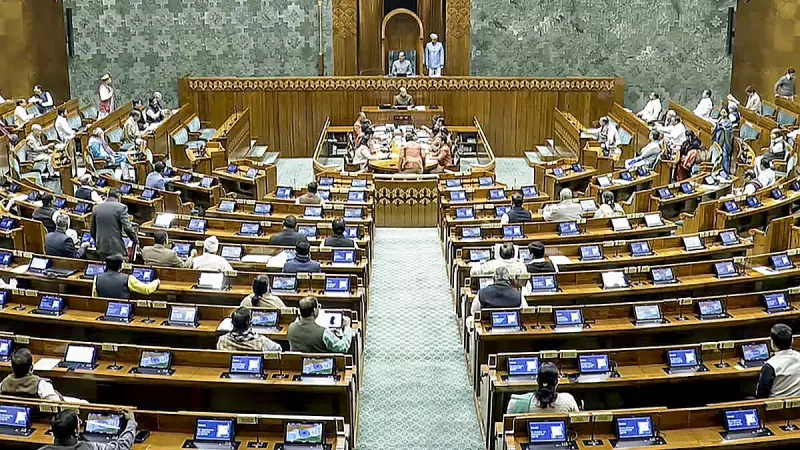
India's Parliament is poised for a significant week of discussions, with two major debates scheduled to take center stage. The sessions will focus on the national song 'Vande Mataram' and crucial electoral reforms, drawing participation from the country's top political leadership.
High-Profile Speakers Set for Parliamentary Showdown
The debates are expected to see speeches from a wide spectrum of prominent leaders. Prime Minister Narendra Modi and Home Minister Amit Shah are slated to represent the government's viewpoint. From the opposition benches, Leader of Opposition Mallikarjun Kharge and Congress MP Rahul Gandhi are set to articulate their positions.
The list of notable participants extends to other key figures, including Priyanka Gandhi Vadra of the Congress, Samajwadi Party chief Akhilesh Yadav, and DMK leader Kanimozhi. It is confirmed that each of these leaders will speak in at least one of the two scheduled debates, ensuring a comprehensive airing of views from across the political spectrum.

Dual Agenda: Patriotism and Democratic Process
The first debate, concerning the national song 'Vande Mataram', is anticipated to be a discussion on its historical significance, contemporary relevance, and place in national life. The second debate will tackle the critical subject of electoral reforms, a topic of perennial importance for the world's largest democracy, potentially covering issues from campaign financing to voting technology.
These discussions are scheduled for the week, with the details being finalized by the parliamentary business advisory committee. The simultaneous focus on a symbolic national element and the practical mechanics of democracy highlights the broad scope of issues before the legislature.
Anticipated Impact and Political Context
The convergence of such senior leaders for these debates underscores their perceived importance. The discussions on December 7, 2025, and the following days are likely to set the tone for political discourse in the coming months. The outcomes and arguments presented could influence public opinion and pave the way for future legislative action, particularly on the matter of electoral reforms.
With the treasury and opposition benches preparing their key arguments, the parliamentary proceedings promise to be both spirited and substantive, reflecting the vibrant nature of Indian democracy.