

Lok Sabha Session 2026: Key Legislative and Financial Matters Take Center Stage
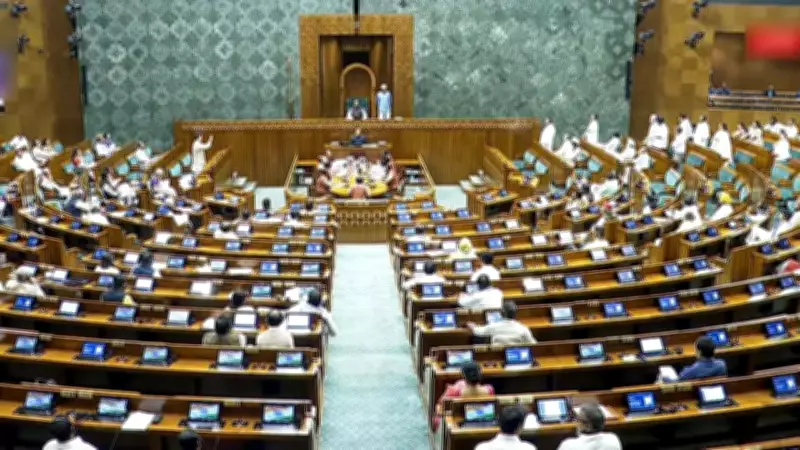
The Lok Sabha reconvened on April 1, 2026, for a pivotal day during the ongoing Budget Session, addressing a dense agenda of legislative, financial, and federal issues. Proceedings began with Question Hour but were swiftly disrupted by Opposition protests, leading to an adjournment until noon. The session is set to conclude on April 2, making today's discussions critically significant for policy outcomes.
Andhra Pradesh Reorganisation Bill: Amaravati Designated as Sole Capital
A major highlight is the introduction of the Andhra Pradesh Reorganisation (Amendment) Bill, 2026. This legislation proposes to formally designate Amaravati as the exclusive capital of Andhra Pradesh, amending the 2014 Act to include this provision. The move follows a unanimous resolution by the state legislative assembly, led by Chief Minister N. Chandrababu Naidu, urging central statutory recognition. This step marks the end of Hyderabad's role as a temporary joint capital post-bifurcation, aiming to provide clarity and stability for the state's administrative framework.
FCRA Amendment Bill Sparks Protests and Adjournment
Union Home Minister Amit Shah was scheduled to move the Foreign Contribution (Regulation) Amendment Bill, 2026, intended to strengthen transparency and oversight of foreign funding. However, Opposition parties, primarily from Kerala, staged vigorous protests, raising slogans and displaying banners against the bill. They labeled it as "draconian" and accused the government of targeting NGOs and religious institutions.

Parliamentary Affairs Minister Kiren Rijiju clarified that the bill aims to safeguard national security and prevent misuse of foreign contributions, not target any specific groups. Despite this, due to the disruptions, the bill was deferred from discussion today. Rijiju also accused Congress and Left parties of spreading falsehoods ahead of the Kerala Assembly elections on April 9.
Economic Measures: ATF Excise Duty and Jan Vishwas Bill
On the economic front, Finance Minister Nirmala Sitharaman moved a statutory resolution to approve a notification imposing a Special Additional Excise Duty of Rs 50 per litre on Aviation Turbine Fuel (ATF). This decision responds to rising global crude prices and operational pressures in the aviation sector, aiming to stabilize revenue streams.
Additionally, the Jan Vishwas (Amendment of Provisions) Bill, 2026, introduced by Jitin Prasada, was on the agenda. This bill proposes decriminalizing minor offences to enhance the ease of doing business in India, reflecting ongoing efforts to streamline regulatory frameworks.
PAC Reports and Other Legislative Business
The House also addressed reports from the Public Accounts Committee (PAC) for 2025-26, presented by BJP MPs Jagdambika Pal and Jai Prakash. These reports cover a range of issues, including:
- Excess expenditures over voted grants and charged appropriations.
- Derailments in Indian Railways and safety concerns.
- Service tax and GST collection challenges from passengers.
- Water pollution and fund management under schemes like Pradhan Mantri Swasthya Suraksha Yojana.
Further, a statement from Harsh Malhotra corrected a reply related to the Ganga Expressway, and matters under Rule 377 allowed members to raise issues of public importance.
Opposition Protests and Government Response
Outside Parliament, Opposition MPs, including Congress, SP, IUML, NCP(SP), and RSP members, protested against the FCRA amendments. They displayed banners reading "Stop Targeting NGOs and Institutions" and demanded the bill's withdrawal. Union Minister of State for Home Nityanand Rai reiterated that the bill enhances transparency and ensures proper fund utilization, while Rijiju emphasized its national security focus.
With the Budget Session nearing its end, today's proceedings underscore the intense political dynamics and legislative priorities shaping India's governance landscape.

