

Historic Parliamentary Session: Motion of Thanks Passed Without PM's Address
In a remarkable development during the Budget session of Parliament, the Lok Sabha witnessed an unprecedented procedural shift as it passed the Motion of Thanks on the President's address without the customary reply from the prime minister. This significant departure from parliamentary tradition marks the first such occurrence since the year 2004, when similar circumstances unfolded under different political leadership.
Unprecedented Absence and Procedural Completion
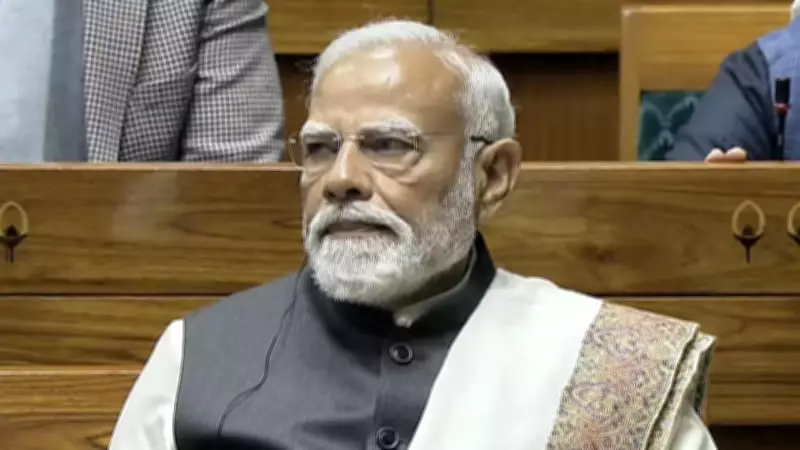
Prime Minister Narendra Modi was notably absent from the House on Thursday when Lok Sabha Speaker Om Birla took up the opposition's amendments to the Motion of Thanks for voting. All proposed amendments were decisively defeated in the parliamentary process. Following this, Speaker Birla formally read out the Motion of Thanks to the President for her address to both Houses of Parliament delivered on January 28.
The motion was subsequently adopted through a voice vote, even as opposition MPs continued their vocal protests through persistent sloganeering. This procedural completion without the prime minister's traditional response created a unique moment in India's parliamentary history, highlighting both the government's parliamentary strategy and the opposition's determined resistance.

Disrupted Schedule and Protest Actions
Originally scheduled to speak on Wednesday at 5 PM, Prime Minister Modi did not arrive in the Lok Sabha as planned. As the parliamentary session commenced, opposition women MPs staged a visible protest by surrounding the prime minister's chair while displaying posters expressing their dissent. The resulting commotion and disruptions led to the adjournment of the House, ultimately resulting in the cancellation of the prime minister's anticipated speech.
This development has shifted parliamentary attention to the Rajya Sabha, where Prime Minister Modi is now likely to address the upper house. The debate on the Motion of Thanks to the President's Address has proceeded in the Rajya Sabha without any significant interruptions, providing a contrasting parliamentary atmosphere to the Lok Sabha proceedings.
Historical Parallel: The 2004 Precedent
The Congress party invoked historical precedent to counter current criticism of the parliamentary developments, specifically recalling events from June 10, 2004. On that date, then Prime Minister Manmohan Singh was prevented by the Bharatiya Janata Party from delivering his reply to the Motion of Thanks to the President's Address.
Congress leader Jairam Ramesh highlighted this historical parallel in a social media post, stating clearly: "To recall and remind - on June 10 2004, the Prime Minister was prevented by the BJP from speaking on the Motion of Thanks to the President's Address." This reference serves to contextualize current events within India's parliamentary history and political dynamics.
Manmohan Singh's Subsequent Reflection
Ramesh further shared archival material featuring Manmohan Singh's speech from the subsequent year, where the former prime minister reflected on the significance of the parliamentary privilege he had been denied. In his address to Parliament, Singh expressed: "Mr Speaker, Sir, I deem it a great privilege to be standing here today to express the gratitude of our Government to the respected Rashtrapatiji for his address to Members of both Houses of Parliament. Sir, this is a hard earned privilege for me since I have had to wait out the entire year to perform this happy task."
This historical recollection adds depth to understanding the current parliamentary situation, demonstrating how procedural disruptions can carry symbolic weight across different political eras. The parallel between 2004 and the present situation reveals enduring patterns in India's parliamentary politics while highlighting the evolving nature of political strategy and opposition tactics.
The current developments underscore the dynamic interplay between parliamentary procedure, political strategy, and opposition resistance that characterizes India's democratic processes. As the Budget session continues, all eyes remain on how both government and opposition navigate these procedural waters in the days ahead.






