Lok Sabha to Debate No-Confidence Motion Against Speaker on March 9
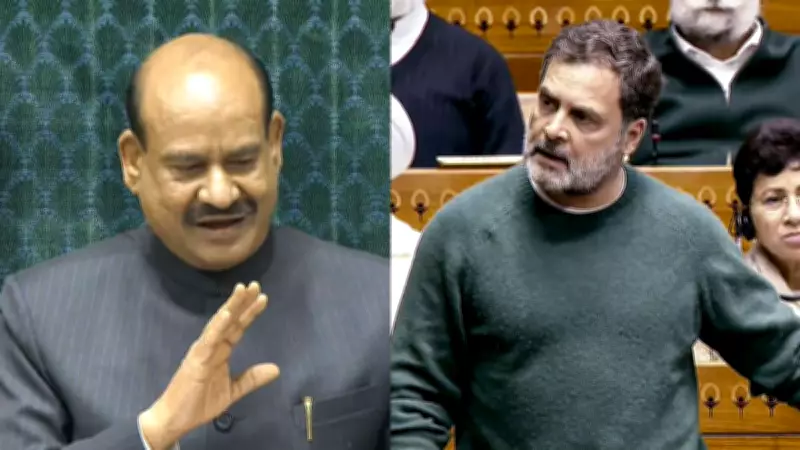
The Lok Sabha is set to hold a crucial discussion on a no-confidence motion against Speaker Om Birla on March 9, 2026. This parliamentary event has gained significant attention after Speaker Birla stepped away from his duties on moral grounds, citing ethical considerations in the face of the motion.
Speaker Om Birla Recuses Himself on Moral Grounds
In a notable development, Speaker Om Birla has voluntarily recused himself from presiding over the Lok Sabha proceedings related to the no-confidence motion. This decision, made on moral grounds, underscores the high ethical standards expected in parliamentary conduct. Birla's recusal is intended to ensure impartiality and fairness during the debate, as the motion directly concerns his position.
The no-confidence motion, which targets the Speaker's role, is a rare occurrence in Indian parliamentary history. It reflects ongoing political tensions and debates within the Lok Sabha. The motion was formally tabled by opposition parties, who have raised concerns about the Speaker's handling of certain parliamentary matters.

Key Details of the Parliamentary Debate
The discussion scheduled for March 9, 2026, is expected to be a landmark session in the Lok Sabha. Key points to note include:
- Date: The debate is confirmed for March 9, 2026, as per parliamentary schedules.
- Context: The motion arises from allegations and disagreements over the Speaker's decisions and conduct in recent sessions.
- Procedure: With Speaker Birla recused, a Deputy Speaker or another presiding officer will oversee the proceedings to maintain neutrality.
- Implications: The outcome of the debate could impact parliamentary dynamics and set precedents for future motions against presiding officers.
This event highlights the robust democratic processes in India's Parliament, where such motions serve as mechanisms for accountability and transparency. The Lok Sabha's ability to address internal conflicts through formal debates demonstrates the strength of its institutional framework.
Broader Political and Parliamentary Significance
The no-confidence motion against Speaker Om Birla is not just a procedural matter but a reflection of broader political currents. It comes amid heightened political activity and debates over governance and parliamentary ethics. The motion's discussion is likely to involve intense deliberations from both ruling and opposition parties, shaping public discourse on parliamentary integrity.
Observers note that such motions are infrequent, making this a significant moment for Indian democracy. The recusal of Speaker Birla on moral grounds adds a layer of ethical consideration, emphasizing the importance of propriety in high offices. As the Lok Sabha prepares for this debate, all eyes are on how it will navigate this challenging situation while upholding democratic values.
In summary, the Lok Sabha's scheduled discussion on the no-confidence motion against Speaker Om Birla on March 9, 2026, marks a pivotal event in parliamentary history. With the Speaker stepping aside on moral grounds, the debate promises to be a thorough examination of parliamentary conduct and accountability, reinforcing the principles of democracy in India.