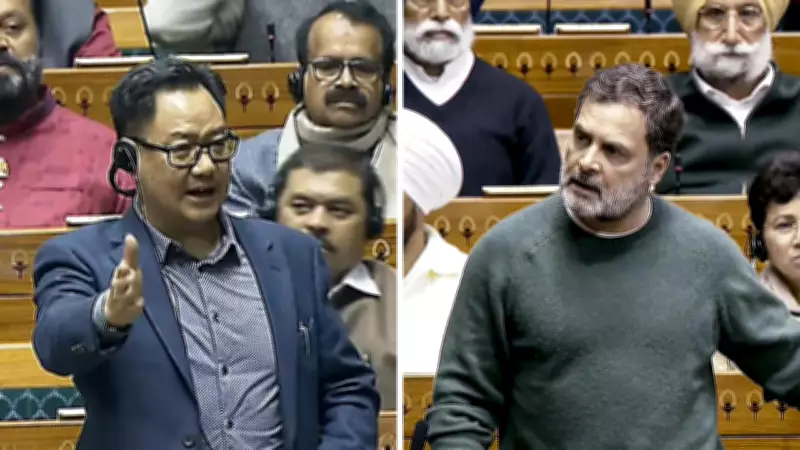
Parliamentary Deadlock Breaks as Opposition Divisions Surface
NEW DELHI: Hopes for a swift return to normal parliamentary proceedings in the Lok Sabha were initially dim, but a surprising resolution emerged as the opposition escalated its offensive by formally submitting a notice demanding the removal of the Speaker. This move, however, ultimately revealed deep-seated divisions within the opposition ranks, effectively ending a week-long impasse that had stalled legislative business.
A Twist in the Tale: Pragmatism Over Confrontation
In a significant twist, the impasse was broken not by government concessions, but by a clear split among opposition parties. Pragmatic voices within the opposition, who were keen to ensure the House could address critical regional and national issues, prevailed over those advocating for an uncompromising stance of rigid confrontation. This internal discord laid bare the faultlines that have often hampered a united opposition front.
The Lok Sabha resumed normal functioning, even though the government firmly rejected the primary conditions set by the Congress party. These demands included allowing Leader of the Opposition Rahul Gandhi to speak first during debates, a formal rectification of the Speaker's statement regarding the Prime Minister's address, and an investigation into the incident involving BJP MP Nishikant Dubey's microphone during a speech criticizing the Nehru-Gandhi family.

Government Stands Firm, Gains Strategic Advantage
The prevailing assessment within government circles is that it emerged strategically stronger from this political standoff. By refusing to make any concessions to the key Congress demand concerning Rahul Gandhi's speaking priority and by not revoking the suspension of eight opposition MPs, the government believes it won a battle of wits. This stance was instrumental in defusing the crisis that had completely halted parliamentary proceedings.
What significantly aided the government in resolving the deadlock was the evident keenness among several key regional parties, which are traditional rivals of the BJP, for the Lok Sabha to function smoothly. These parties are eager to raise and discuss pressing regional concerns that affect their constituencies.
Regional Politics and Electoral Calculations Influence Stance
The political landscape in several states played a crucial role in shaping this dynamic. For instance:
- West Bengal and Tamil Nadu, where the Trinamool Congress (TMC) and Dravida Munnetra Kazhagam (DMK) are in power, are approaching crucial state elections.
- Uttar Pradesh, where the Samajwadi Party serves as the main opposition, is also witnessing a rising political temperature with elections just a year away.
The TMC made its divergent position clear by notably refusing to sign the notice for the Speaker's removal. Furthermore, MPs from various non-Congress opposition parties indicated that many of them did not want the entire first half of the parliamentary session to be consumed by this procedural deadlock, preferring instead to focus on substantive legislative work.
Allied Support and Constitutional Propriety
Across the political aisle, the BJP's allies stood resolutely with the government. They offered strong backing to the Speaker and criticized the opposition's move, framing it as an inappropriate targeting of a constitutional office. In a display of taking the high moral ground, Speaker Om Birla decided to voluntarily abstain from presiding over the House until the notice against him was formally disposed of, signaling that the matter might be revisited later in the session.
This entire episode underscores the complex interplay of national politics, regional ambitions, and parliamentary strategy that defines India's legislative process.