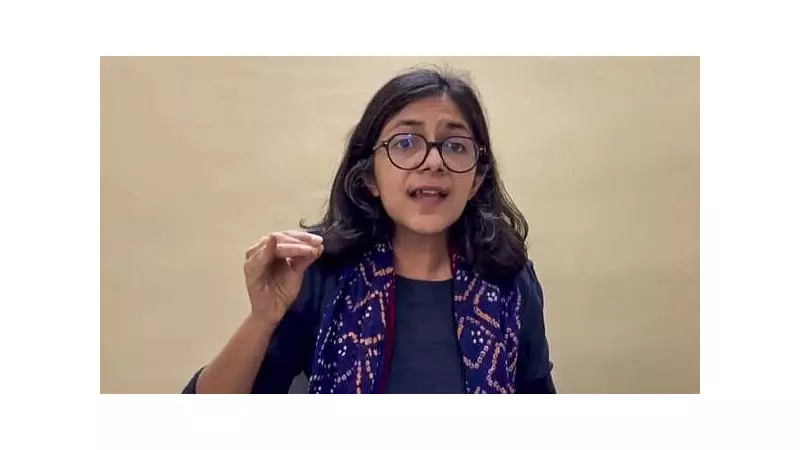
Rajya Sabha member Swati Maliwal has declared she will bring attention to the critical issue of air pollution during the upcoming winter session of Parliament. The session is scheduled to commence on December 4, 2023, and the MP has identified the deteriorating air quality in the national capital as a matter of urgent national concern.
MP's Commitment to Environmental Health
In a significant move, Swati Maliwal confirmed her intention to raise the air pollution crisis on the floor of the House. She emphasized that the severe pollution levels in Delhi have created a public health emergency, affecting millions of citizens. The MP stated she plans to highlight the grave situation and demand concrete action from the government to address this perennial problem.
The Parliament's winter session is set to begin on December 4 and conclude on December 22, providing a crucial platform for discussing pressing national issues. Maliwal aims to utilize this opportunity to push for sustainable solutions and stricter enforcement of environmental regulations.

The Deepening Pollution Crisis
Delhi and its surrounding regions have been grappling with hazardous air quality levels, particularly during the winter months. The situation has reached alarming proportions, with Air Quality Index (AQI) readings frequently entering the 'severe' category. This environmental crisis poses serious health risks, especially to children, the elderly, and those with pre-existing respiratory conditions.
The MP's decision to prioritize this issue in Parliament underscores the growing concern among lawmakers and citizens alike. Air pollution has transformed from an environmental challenge into a full-blown public health catastrophe that requires immediate and comprehensive intervention at the highest levels of governance.
Call for Comprehensive Action
By raising this issue during the winter session, Maliwal seeks to initiate a broader parliamentary discussion on long-term strategies to combat air pollution. This includes addressing contributing factors such as vehicular emissions, industrial pollution, construction dust, and agricultural burning in neighboring states.
The move represents an important step toward recognizing air quality as a fundamental right and implementing more robust measures to protect citizens from the harmful effects of pollution. The upcoming parliamentary session presents a critical opportunity to draft legislation and policies that could significantly improve India's environmental landscape and public health outcomes.
As winter tightens its grip on northern India, the timing of this parliamentary intervention could not be more appropriate. The nation will be watching closely as one of its elected representatives brings the choking reality of air pollution to the center of national discourse.