A parliamentary discussion intended to address environmental legislation for Manipur took a sharp political turn, with the focus shifting to the contentious issue of President's rule in the northeastern state.
Debate on Environmental Law Diverts to Governance
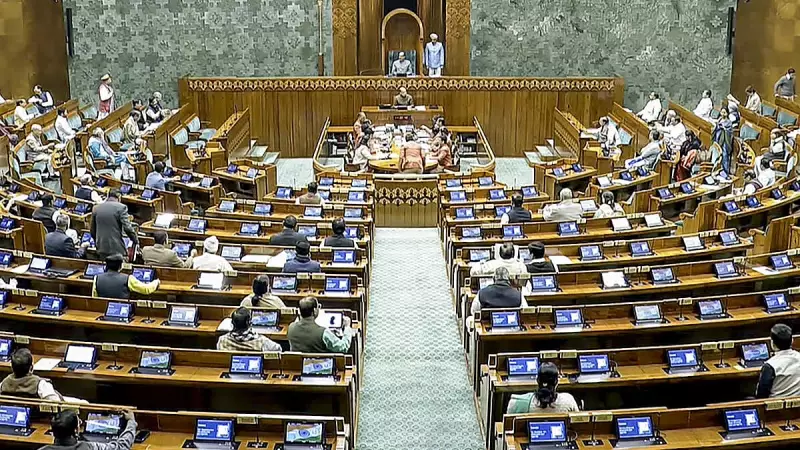
On 03 December 2025, the Parliament witnessed a heated exchange during a discussion on extending the Water (Prevention and Control of Pollution) Amendment Act, 2024, to Manipur. What began as a procedural matter concerning environmental protection quickly escalated into a broader political confrontation.
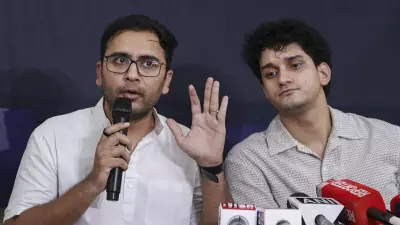
Trinamool Congress MP Sushmita Dev spearheaded the criticism against the central government. She used the platform to launch a pointed attack on the continuation of President's rule in Manipur. Her intervention transformed the technical debate into a significant political slugfest, highlighting the underlying tensions between the opposition and the ruling dispensation.

Central Government's Stance Faces Scrutiny
The core of the controversy lies in the prolonged central administration of Manipur. Sushmita Dev's remarks underscored a growing frustration among opposition parties regarding the governance model in the state. By linking the extension of a crucial environmental act to the political status of Manipur, the debate underscored how legislative procedures are often intertwined with larger federal and democratic concerns.
The Water (Prevention and Control of Pollution) Amendment Act, 2024 is designed to strengthen mechanisms for preventing and controlling water pollution. Its extension to Manipur is a significant step for the state's ecological management. However, the political firestorm ignited during the debate threatens to overshadow the Act's environmental importance.
Implications for Policy and Federal Relations
This incident reveals the deep-seated political fissures that can influence policy implementation in sensitive regions. The confrontation in Parliament signals potential hurdles for future legislation concerning states under central rule. It also raises questions about the prioritization of political narratives over pressing issues like water pollution control in Manipur.
The debate, as reported, concluded without a clear resolution on the political deadlock, leaving the extension of the Water Act caught in the crossfire of a larger governance debate. The event marks another chapter in the ongoing political discourse surrounding the administration and democratic restoration in Manipur.