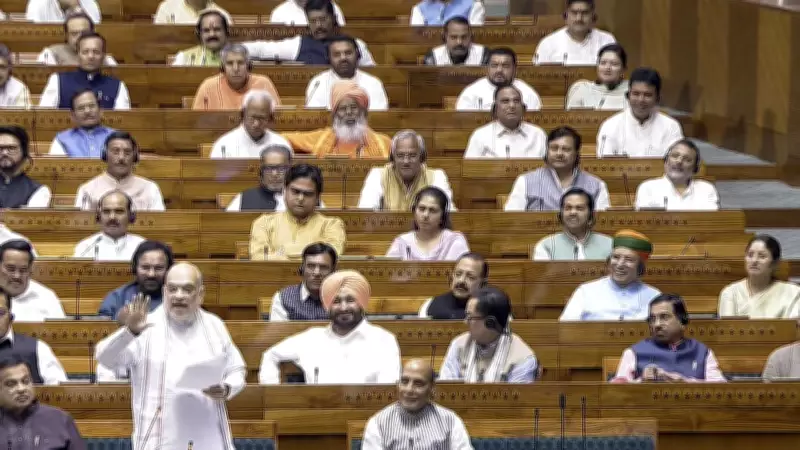
Opposition's No-Confidence Motion Against Speaker Om Birla Defeated in Lok Sabha Amid Uproar
In a significant parliamentary development, the opposition's no-confidence motion against Lok Sabha Speaker Om Birla was decisively defeated on March 11, 2026. The motion, which sparked intense debate and uproar in the House, failed to secure the required majority, with the ruling coalition rallying behind the Speaker to ensure his continuation in the prestigious role.
Key Details of the Motion and Vote
The no-confidence motion was introduced by opposition parties, citing concerns over the Speaker's conduct and alleged bias in parliamentary proceedings. However, during the voting process, the motion was overwhelmingly rejected, with a clear majority of lawmakers voting against it. This outcome underscores the political dynamics at play, as the ruling coalition maintained its stronghold in the Lok Sabha.
The parliamentary session was marked by chaos and disruptions, with opposition members raising slogans and protesting vigorously. Despite the uproar, the proceedings continued, culminating in the formal defeat of the motion. This event highlights the ongoing tensions between the government and opposition in India's legislative framework.

Implications for Parliamentary Functioning
The defeat of the no-confidence motion has several implications:
- It reinforces the stability of the Speaker's position, ensuring continuity in parliamentary leadership.
- The ruling coalition's ability to muster support demonstrates its parliamentary strength and cohesion.
- Opposition parties may face challenges in mobilizing consensus on future motions, given this setback.
This incident also brings to light the broader issues of parliamentary decorum and the need for constructive dialogue. As India's democracy evolves, such episodes serve as reminders of the importance of robust debate while maintaining procedural norms.