

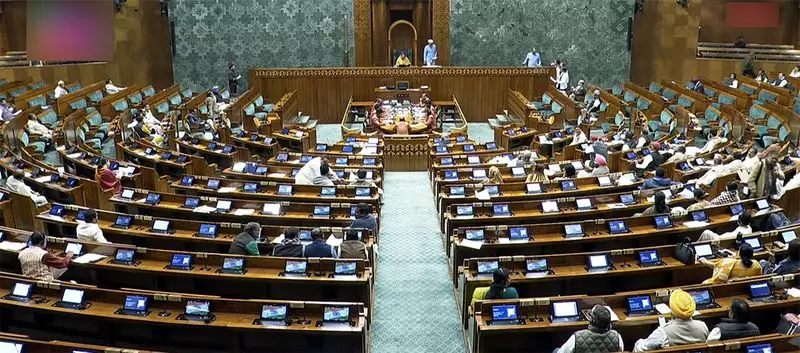
Trinamool Congress (TMC) Rajya Sabha member Derek O'Brien has formally appealed to Lok Sabha Speaker Om Birla, urging him to take necessary steps to ensure that Members of Parliament can effectively raise Points of Order during parliamentary proceedings. This appeal comes in the wake of recent sessions marked by disruptions and challenges in adhering to established parliamentary norms.
Formal Appeal to the Speaker
In a detailed letter addressed to Speaker Om Birla, Derek O'Brien highlighted a growing concern regarding the implementation of parliamentary rules. The core of his appeal focuses on Rule 377 of the Rules of Procedure and Conduct of Business in Lok Sabha, which governs the mechanism for raising Points of Order. O'Brien stressed that this rule is a fundamental tool for MPs to seek clarification, challenge procedures, or point out breaches of conduct during debates, and its effective use is crucial for the smooth functioning of the House.
The TMC parliamentarian referenced specific instances from the recent Budget session and the ongoing monsoon session where attempts to raise Points of Order were reportedly met with obstacles. He argued that when MPs are unable to utilize this procedural instrument, it not only stifles debate but also undermines the principles of accountability and transparency within the legislature. O'Brien's letter explicitly calls on the Speaker, as the guardian of the House's rules, to intervene and create an environment where Points of Order can be raised and addressed as per established protocol.

Context of Parliamentary Disruptions
The appeal is set against a backdrop of frequent adjournments and heated exchanges that have characterized several recent parliamentary sessions. Issues ranging from contentious legislation to demands for discussions on matters of public importance have often led to chaotic scenes, with the Chair struggling to maintain order. In such an environment, procedural tools like Points of Order become even more critical for MPs to formally register their concerns within the framework of the rules.
O'Brien pointed out that the inability to raise these points effectively forces members to resort to other methods of protest, which often contribute to further disruption. By ensuring a clear and respected channel for Points of Order, the Speaker can help channel disagreements into structured debate, potentially reducing unparliamentary conduct. The letter suggests that upholding this rule is not just about procedure but about preserving the dignity and functional efficacy of Parliament itself.
Broader Implications for Parliamentary Democracy
This move by the senior TMC leader touches upon a fundamental aspect of parliamentary democracy: the right of the elected representative to hold the government to account through established rules. A Point of Order is a technical but powerful instrument that allows an immediate intervention on grounds of procedure, often cutting through political rhetoric to focus on the legality and correctness of the process being followed.
The appeal to Speaker Om Birla is seen as a call to reinforce the authority of the Chair and the rulebook over the prevailing political din. It underscores the expectation that the presiding officer must act as an impartial arbiter, ensuring that all members, regardless of their party's strength in the House, have a fair chance to participate according to the rules. The outcome of this appeal could set a significant precedent for how procedural justice is administered in the Lok Sabha in the face of deepening political divisions.
As the monsoon session continues, observers will be watching to see if Speaker Birla's actions and rulings reflect a conscious effort to facilitate the raising of Points of Order, thereby addressing one of the key grievances raised by the opposition regarding the conduct of parliamentary business.






