

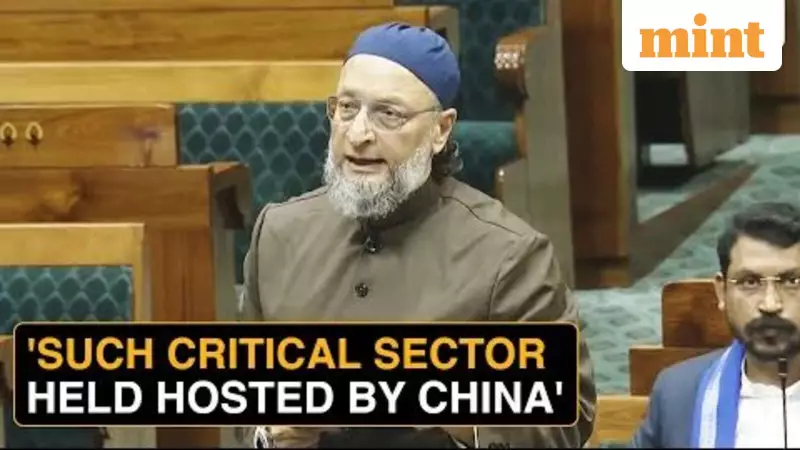
In a sharp critique during the Winter Session of Parliament, AIMIM president Asaduddin Owaisi targeted the central government over India's increasing dependence on China for fertilizers, labeling it a national security vulnerability. The fiery speech, delivered on December 16, 2025, also raised alarms about counterfeit currency and criticized budgetary allocations for minority welfare schemes.
Fertilizer Dependence: A Strategic Vulnerability
Owaisi's central argument focused on the surge in fertilizer imports from China. He highlighted that this growing reliance makes a critical agricultural input susceptible to geopolitical pressures, potentially endangering India's food security. The MP stressed that such dependence on a neighboring nation with which India has had border tensions poses a clear strategic risk. He demanded urgent government action to build domestic capacity and find alternative sources to shield farmers and the agricultural sector from external shocks.
Fake Currency and Terror Funding Concerns
Moving beyond the fertilizer issue, the Hyderabad MP presented another serious security concern. He exposed the circulation of fake ₹500 and ₹200 notes, alleging that this counterfeit money is being used to fuel terrorist activities within the country. By bringing this issue to the floor of the Lok Sabha, Owaisi underscored a direct link between economic crimes and national security, pressing the government for a more robust response to curb the flow of fake currency.

Criticism of Minority Welfare and Scholarships
Owaisi's speech also addressed domestic socio-economic policies. He slammed the government for what he described as budget cuts affecting minority communities. Furthermore, he pointed to significant delays in the disbursement of Pre-Matric and Post-Matric scholarships, crucial for the education of students from marginalized backgrounds. These delays, he argued, hinder educational progress and contradict the government's stated goals of inclusive development.
The remarks were made during the discussion on the Supplementary Demands for Grants. Owaisi used this parliamentary mechanism to call for immediate corrective measures, framing his demands around the broader themes of economic sovereignty, internal security, and social justice. His multifaceted attack has brought these interconnected issues back into the national political discourse, challenging the government's policy direction on several fronts simultaneously.






