

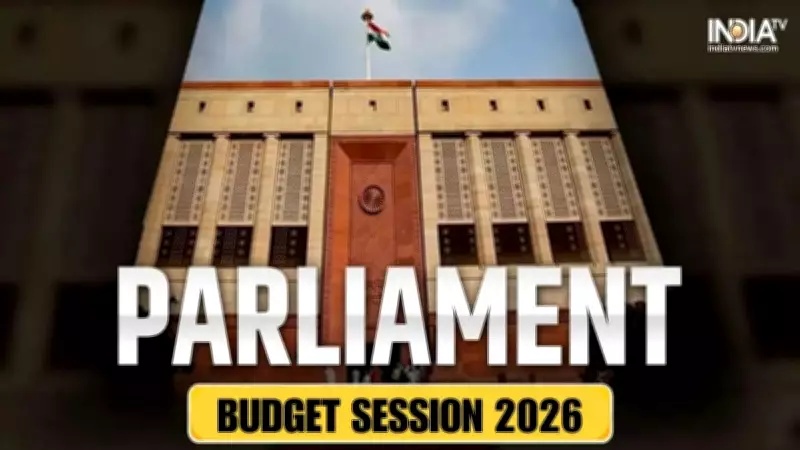
Parliament Budget Session: Motion of Thanks Debate in Lok Sabha and Rajya Sabha
The Budget Session of the Indian Parliament commenced with significant discussions on the Motion of Thanks to the President's address, marking a pivotal moment in the legislative calendar. This session, which began on February 3, 2026, saw both the Lok Sabha and Rajya Sabha actively engaged in debates that highlighted the government's agenda and the opposition's critiques.
Key Highlights of the Session
The Motion of Thanks is a traditional parliamentary practice where members express gratitude for the President's address, which outlines the government's policies and priorities for the upcoming year. During this session, the debate served as a platform for lawmakers to discuss various national issues, including economic policies, social welfare schemes, and governance reforms.
In the Lok Sabha, the discussion was led by prominent figures from both the ruling and opposition parties. Members emphasized the importance of the President's address in setting the tone for the government's legislative agenda. The debate covered topics such as:

- Economic growth and development initiatives
- Healthcare and education reforms
- Infrastructure projects and digital transformation
- Social justice and empowerment programs
Rajya Sabha Proceedings
Simultaneously, the Rajya Sabha witnessed a robust exchange of views on the Motion of Thanks. Senators from various political backgrounds contributed to the discussion, focusing on the implementation of policies mentioned in the President's address. Key points raised included:
- The need for bipartisan cooperation in addressing national challenges
- Critiques of the government's performance on key indicators
- Suggestions for improving transparency and accountability in governance
- Debates on foreign policy and international relations
The session also saw interventions from leaders like Rahul Gandhi, who highlighted issues related to unemployment, agrarian distress, and social inequality. His remarks added depth to the debate, urging the government to take concrete steps in these areas.
Implications and Future Outlook
The Motion of Thanks debate is not merely a formality but a critical exercise in parliamentary democracy. It allows for a comprehensive review of the government's direction and fosters constructive dialogue between different political factions. As the Budget Session progresses, this discussion sets the stage for upcoming legislative proposals, including the Union Budget and other important bills.
Experts note that such debates are essential for ensuring that the government remains accountable to the people and that policies are aligned with the nation's needs. The lively exchanges in both houses reflect the vibrant nature of India's democratic institutions, where diverse perspectives are heard and considered.
In conclusion, the Parliament's Budget Session has kicked off with a spirited debate on the Motion of Thanks, underscoring the importance of collaborative governance in addressing India's challenges and opportunities.






