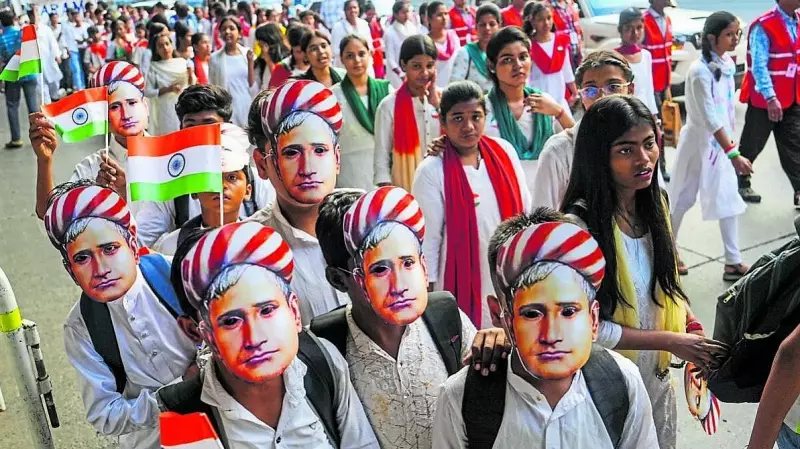
A fresh political and historical debate has taken centre stage in India's Parliament, focusing on the national song 'Vande Mataram'. The discussion, unfolding in December 2025, revisits the complex legacy of a composition that is nearly 150 years old.
The Core of the Controversy
The parliamentary debate is not merely about the song's age but delves into the multifaceted issues that have surrounded it for over a century. Lawmakers are engaging in intense sparring over several key aspects. Central to the discourse is the evolution of 'Vande Mataram' from a novel's poem to a potent symbol of anti-colonial resistance and, later, its official status.
Equally contentious is the examination of the religious imagery within its lyrics. Critics have historically pointed to verses that depict the nation as a Hindu goddess, arguing this makes it less inclusive for citizens of other faiths. Proponents, however, view it as a cultural and patriotic masterpiece that transcends religious boundaries.

Historical Decisions Under Scrutiny
The current discussion also casts a critical eye on the decisions taken by the national leadership in pre-independence India. This refers to the pivotal choices made by the Indian National Congress and other groups in the early 20th century regarding the song's adoption and the compromises reached to address concerns from various communities.
These historical resolutions have long been a point of reference in political and intellectual circles, and their re-examination in the modern parliamentary context adds a new layer to the ongoing dialogue about national identity and secularism.
Why This Debate Resurfaces Now
The timing of this debate is significant. It occurs amidst a broader national conversation about history, symbolism, and constitutional values. The arguments in the Lok Sabha reflect deeper ideological divides on how India's past should be interpreted and what symbols truly represent its pluralistic character.
By bringing this issue to the fore, politicians are not just discussing a song; they are negotiating the narrative of India's freedom struggle and the principles upon which the modern state was built. The outcome of this debate, while largely symbolic, could influence cultural discourse and political rhetoric across the country.
As the discussion continues, it underscores how historical artifacts like 'Vande Mataram' remain powerfully alive in contemporary politics, capable of uniting and dividing public opinion even a century and a half after their creation.