

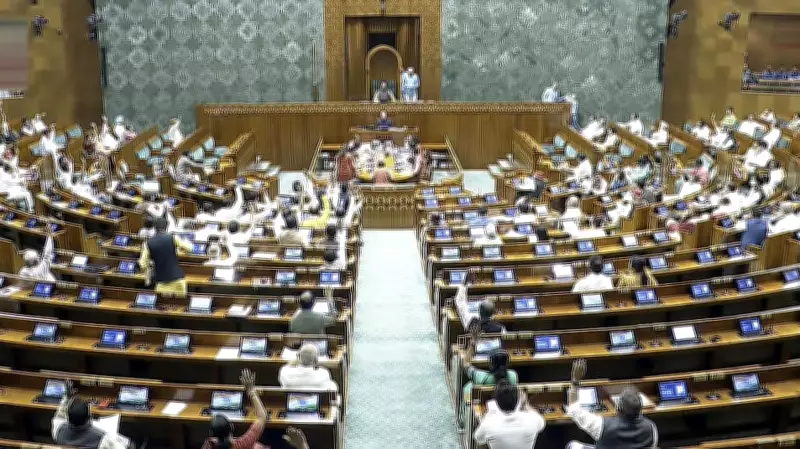
Parliamentary Committee Recommends Overhaul of No-Confidence Motion System
A significant parliamentary committee has put forward a groundbreaking proposal to eliminate the traditional no-confidence motion mechanism in India's legislative bodies. This recommendation aims to prevent the frequent dissolution of assemblies and legislatures, which has often led to political instability and governance disruptions.
Proposed Alternative: A Successor-Based Removal System
The committee suggests adopting an innovative alternative system where an elected head, such as a chief minister or speaker, can only be removed from office if a successor is simultaneously elected with a clear majority. This approach is designed to ensure continuity in governance and avoid the vacuum that typically follows a successful no-confidence vote.
Key Rationale Behind the Proposal

The primary motivation for this reform is to enhance political stability and reduce the administrative chaos that often ensues when a no-confidence motion is passed. Under the current system, the removal of a leader can trigger immediate dissolution, leading to prolonged periods without effective governance. The committee argues that this new model would mandate a seamless transition, thereby safeguarding public interest and maintaining legislative functionality.
Implications for Indian Democracy
This proposal, if implemented, could fundamentally reshape parliamentary procedures in India. It emphasizes the importance of having a ready replacement before ousting an incumbent, which could reduce opportunistic political maneuvering and foster more responsible opposition tactics. The committee believes this change would align India's governance structures with more stable democratic practices observed globally.
Reported by Amrita Madhukalya
Details and Context
- The recommendation was formally submitted by the parliamentary committee on April 1, 2026.
- It specifically targets the Lok Sabha and state legislative assemblies, where no-confidence motions have historically been tools for political upheaval.
- The proposal is part of broader discussions on electoral and parliamentary reforms aimed at improving governance efficiency.
This development marks a pivotal moment in India's legislative history, as stakeholders from various political parties are expected to debate the merits and potential impacts of such a transformative change. The committee's report underscores a growing consensus on the need for procedural innovations to bolster democratic resilience and ensure uninterrupted public service delivery.

