

Major Political Row Erupts in Lok Sabha Over Rahul Gandhi's Naravane Memoir Quote
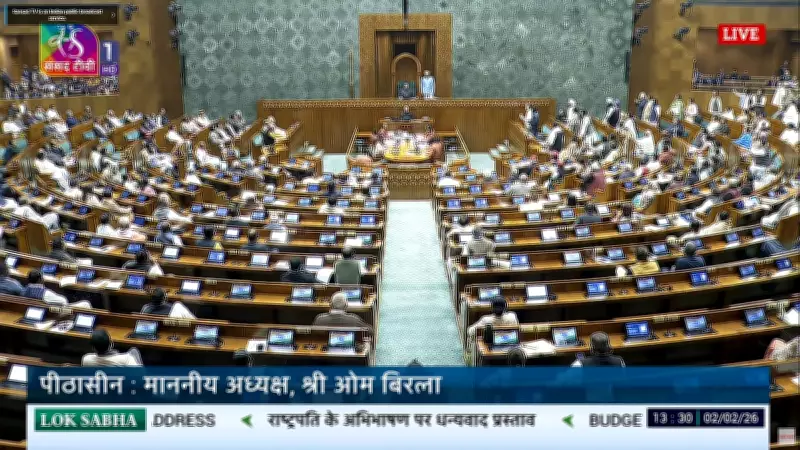
Yesterday witnessed a significant political confrontation in the lower House of Parliament, as Leader of Opposition Rahul Gandhi attempted to reference an unpublished memoir of former Army chief General M M Naravane during a session in the Lok Sabha. The contentious issue revolved around the 2020 India-China border conflict, with Gandhi seeking to quote from the manuscript, which has not been publicly released.
BJP Leaders Express Anger and Accusations
Senior BJP leaders, including Defence Minister Rajnath Singh, Home Minister Amit Shah, and Law Minister Kiren Rijiju, reacted with visible anger to Gandhi's actions. They strongly objected to his attempt to use the unpublished material, accusing him of misleading the House and potentially belittling the armed forces. The ministers argued that such references could undermine national security and disrespect the military's efforts during the conflict.
Context of the 2020 India-China Conflict
The 2020 India-China conflict, which occurred in the Galwan Valley, remains a sensitive topic in Indian politics and defense circles. General Naravane's memoir is anticipated to provide insights into the events from a military perspective, but its unpublished status has made it a focal point of political debate. Gandhi's move to cite it in Parliament has sparked discussions on the appropriateness of using such sources in legislative discussions.

Implications for Parliamentary Proceedings
This incident highlights the ongoing tensions between the ruling BJP and the opposition Congress party in Parliament. It raises questions about:
- The boundaries of parliamentary discourse regarding national security matters.
- The ethical use of unpublished documents in political debates.
- The potential impact on India's diplomatic relations with China.
As the situation develops, political analysts are closely monitoring the fallout, with expectations of further debates and possible disciplinary actions. The controversy underscores the delicate balance between transparency and security in India's democratic processes.






