

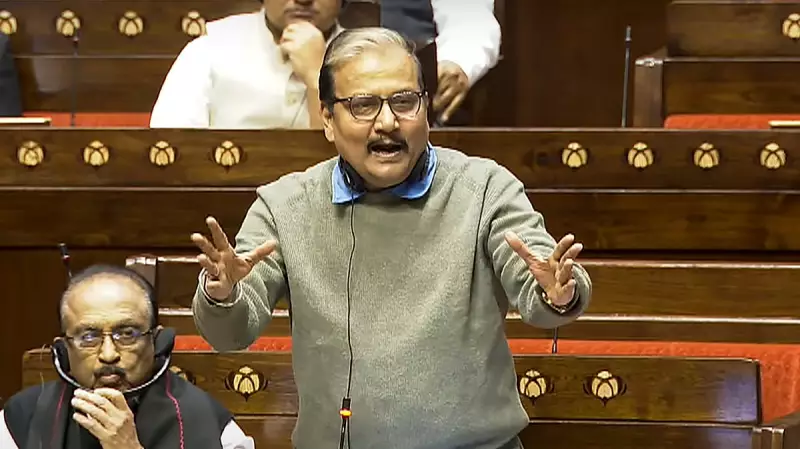
In a significant political move, Rashtriya Janata Dal (RJD) Member of Parliament Manoj Jha has issued an impassioned open letter to his fellow parliamentarians. The letter appeals for collective opposition to two key government bills expected to be tabled in the ongoing Monsoon Session of Parliament.
The Core Appeal: Safeguarding Federal Structure
The crux of Manoj Jha's letter is a direct appeal to the conscience of lawmakers across party lines. He urges them to stand against the proposed V-B (Vidhan Sabha-B) and G-Ram (Grama-Ram) Bills. The RJD MP, known for his articulate interventions in the House, argues that these legislative proposals pose a fundamental threat to India's federal structure and the autonomy of states.
Jha emphasizes that the bills, if passed, would centralize power excessively and undermine the spirit of cooperative federalism enshrined in the Constitution. His appeal is not framed as a routine political disagreement but as a defense of foundational democratic principles. The letter meticulously outlines his concerns regarding the potential erosion of powers currently vested with state governments and local bodies.

Context and Timing of the Letter
The open letter comes at a critical juncture, with Parliament's Monsoon Session in full swing. The timing is strategic, aimed at galvanizing opinion before the bills are formally introduced for debate. Jha's action reflects the opposition's growing unease with several pieces of legislation they perceive as centralizing.
By choosing the format of an open letter, the MP has taken his argument directly to the public domain, seeking to build pressure on the treasury benches through broader discourse. This method bypasses the limitations of parliamentary time and allows for a detailed exposition of his stance.
Potential Ramifications and Political Reactions
The letter is likely to intensify the already heated debates in Parliament. It serves as a rallying point for opposition parties who share similar concerns about federal overreach. The appeal to parliamentarians to rise above party lines on an issue of constitutional importance adds a significant dimension to the upcoming parliamentary battle.
While the government is yet to issue a detailed response to the specific points in Jha's letter, the stage is set for a major confrontation. The outcome of this tussle could influence the trajectory of centre-state relations for years to come. Political analysts are watching closely to see if the appeal finds resonance among non-NDA parties and independent members, potentially shaping the voting dynamics on these bills.
In conclusion, Manoj Jha's open letter is more than a procedural objection; it is a clarion call to defend a specific vision of Indian democracy. As the Monsoon Session progresses, the response to this appeal will reveal the current balance of power and the strength of federalist sentiments within the Indian Parliament.






