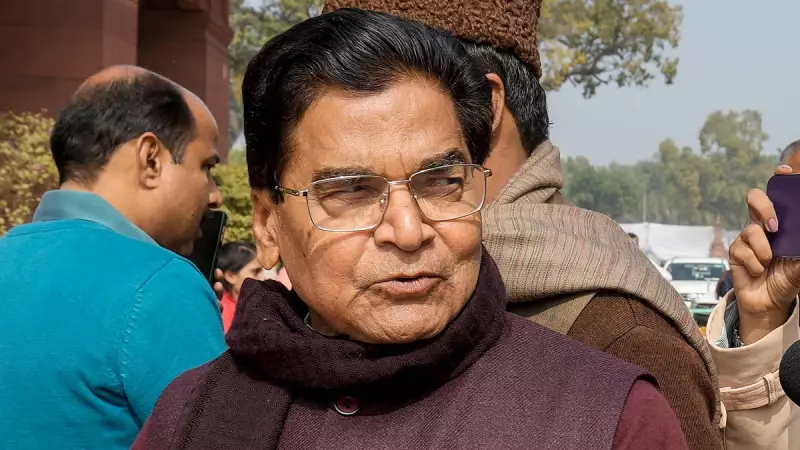
The Samajwadi Party has issued a stern warning that it will not allow Parliament to function normally unless a comprehensive discussion on the Manipur violence situation is permitted. This dramatic announcement sets the stage for potential confrontations during the ongoing parliamentary session.
Opposition's Firm Stand on Manipur Discussion
Senior Samajwadi Party leader Ram Gopal Yadav made the party's position unequivocally clear during a press interaction. "We will not allow Parliament to function if a discussion on Manipur is not held," Yadav declared, emphasizing the opposition's determination to address what they consider a critical national issue.
The party's强硬 stance comes amid growing concerns about the ethnic violence that has gripped Manipur for several months. Opposition parties have been consistently demanding a detailed debate in Parliament, accusing the government of avoiding meaningful discussion on the sensitive matter.

Parliamentary Proceedings at Risk
The threat of disruption poses significant challenges for the government's legislative agenda. With crucial bills pending discussion and passage, the Samajwadi Party's warning indicates that parliamentary business could face repeated adjournments and disruptions if their demand remains unmet.
This development follows similar protests during previous sessions, where opposition parties have repeatedly sought discussions on Manipur. The persistent deadlock highlights the deepening political divide and the opposition's strategy to keep focus on what they perceive as the government's failure in handling the Manipur crisis.
Broader Political Implications
The Samajwadi Party's announcement reflects the coordinated approach among opposition parties to maintain pressure on the government regarding the Manipur situation. Several other opposition groups have echoed similar sentiments, suggesting that the government might face united resistance in Parliament.
Political analysts suggest that the Manipur issue has become a focal point for opposition parties to challenge the government's handling of regional conflicts and ethnic tensions. The demand for discussion goes beyond mere political posturing, representing genuine concerns about the prolonged violence and its impact on national unity.
As Parliament continues its session, all eyes remain on whether the government will agree to the opposition's demand for a detailed discussion or face continued disruptions that could hamper legislative work. The outcome of this standoff could set the tone for parliamentary proceedings in the coming days and potentially influence the political narrative leading into future elections.