

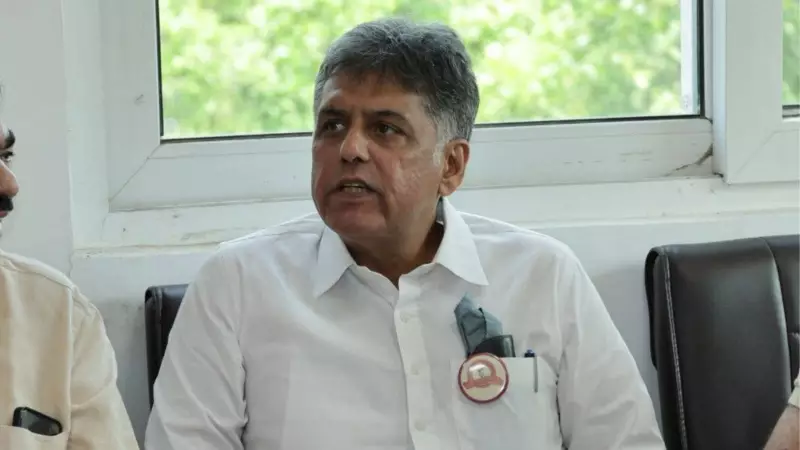
In a significant move aimed at overhauling urban governance, Member of Parliament from Chandigarh, Manish Tewari, introduced a comprehensive amendment Bill in the Lok Sabha on Friday, December 6, 2025. The Bill seeks to fundamentally change how the city's civic leadership is chosen, proposing a directly elected Mayor, Senior Deputy Mayor, and Deputy Mayor with a fixed five-year tenure. This would end the current system where the Mayor is elected from among councillors for just a one-year term.
Ending a Controversial One-Year Tenure
The current practice in Chandigarh, often called 'City Beautiful', involves annual Mayor elections held every January. The civic body operates under the Punjab Municipal Corporation Act of 1976, which is extended to the Union Territory, albeit with certain diluted provisions. This system has long been criticized for creating instability and reducing the Mayor's effectiveness.
In stark contrast, the neighbouring city of Panchkula already has a system where the Mayor is directly elected by the public for a five-year period. Tewari's Bill aims to bring a similar, more stable model to Chandigarh, arguing it would strengthen democratic accountability.

Shifting Power from Bureaucrats to Elected Representatives
A core grievance addressed by the legislation is the severe imbalance of power within the Chandigarh Municipal Corporation. Presently, all executive powers rest with the appointed Municipal Commissioner, while the elected Mayor holds virtually no administrative authority. The Mayor's role is largely limited to convening House meetings and deciding meeting agendas.
Past Mayors and councillors have consistently complained that as the only elected representatives in the UT, they lack the power to execute works for residents. They often must rely on requesting administration officials, dependent on personal rapport to see projects through.
The proposed 'Mayor-in-Council' model would be a game-changer. If enacted, the Mayor and committee chairpersons would wield powers comparable to a Minister of State, with a direct say in every policy matter—decisions currently monopolized by bureaucrats.
Key Provisions of the Tewari Bill
The amendment Bill outlines a robust framework for the new governance structure:
The Mayor, Senior Deputy Mayor, and Deputy Mayor would only be removable through a motion supported by a two-thirds majority of elected councillors present and voting.
They would function as a collective 'Mayor-in-Council'. Council decisions would ideally be by consensus. Failing that, a 2:1 majority would decide, with the matter then presented to the full Municipal Corporation house for a final decision by a simple majority of elected members.
Critically, the Bill seeks to apply the anti-defection law provisions of the Constitution's Tenth Schedule to the Municipal Corporation's elected representatives, similar to MPs and MLAs. The Mayor and deputies would cease to hold office if they defect from or resign from the party they represented when elected.
A New Era of Accountability
The Bill's most transformative impact would be on administrative control. Currently, bureaucrats oversee everything from tender allotments and employee transfers to writing Annual Confidential Reports (ACRs).
Under the proposed Act, all officers of the Chandigarh administration (except those in purely police or law and order functions) would come under the jurisdiction of the Mayor-in-Council. The annual confidential reports for officers from the rank of Sub-Divisional Magistrate upwards would be written and reviewed by the Mayor and deputies.
This shift is designed to make civic employees accountable to the directly elected leadership, ensuring that public representatives elected for a five-year term have the authority to implement the mandate given by the people, moving beyond the influence of officers on short-term postings.
The Bill, introduced during the Winter Session of Parliament, now awaits further legislative process. Its passage would mark one of the most significant reforms in Chandigarh's civic governance history, potentially setting a precedent for other urban local bodies in India.






