

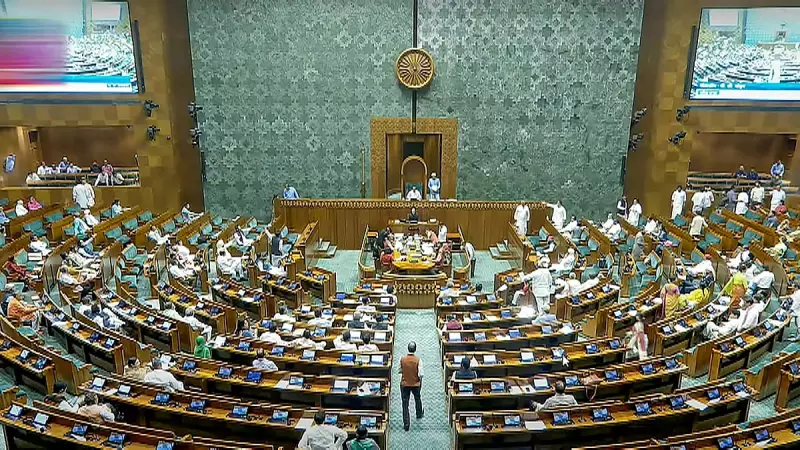
In the bustling corridors of India's Parliament, a unique legislative instrument continues to play a pivotal role in shaping national conversation, despite its low success rate in becoming law. These are the Private Members' Bills, proposals introduced by MPs who are not ministers. Their significance lies not in enactment, but in their power to influence debate and set the policy agenda.
The Mechanism and Rare Success of Private Bills
The process for a Private Member's Bill is distinct from government legislation. Time is allotted on Fridays during a parliamentary session for their discussion. However, the journey from introduction to assent is exceptionally challenging. Historical data underscores this: only a handful of such bills have ever been enacted into law since Independence. The last notable success was over five decades ago. This stark statistic highlights the primary function of these bills is not immediate lawmaking but sparking deliberation.
Shaping Policy and Holding Government Accountable
Despite the legislative hurdles, Private Members' Bills serve as a critical democratic tool. They allow backbench and opposition MPs to bring niche or contentious issues to the forefront of parliamentary business. These bills often address gaps in government policy or propose alternative solutions to pressing national problems. By forcing a discussion and a vote, they compel the ruling dispensation to publicly state its position on specific matters, thereby enhancing transparency and accountability.

The debates generated can have a lasting impact. They can:
- Build consensus around emerging social issues.
- Influence the government's own future legislative agenda.
- Act as a barometer of parliamentary opinion on sensitive topics.
A Platform for Representation and Future Change
Ultimately, the continued relevance of Private Members' Bills, as noted in analyses like that by K V Prasad on December 18, 2025, lies in their symbolic and substantive value. They affirm every MP's right to initiate legislation, a foundational principle in a representative democracy. These bills ensure that diverse viewpoints from across the political and social spectrum find a formal expression within the highest law-making body.
While they may seldom cross the finish line to become statutes, they plant seeds for future policy shifts. They keep the government alert to backbench sentiments and provide a structured outlet for discussing ideas that may eventually mature into mainstream policy or government-sponsored laws. In this way, they remain an indispensable, though understated, pillar of India's parliamentary democracy.






