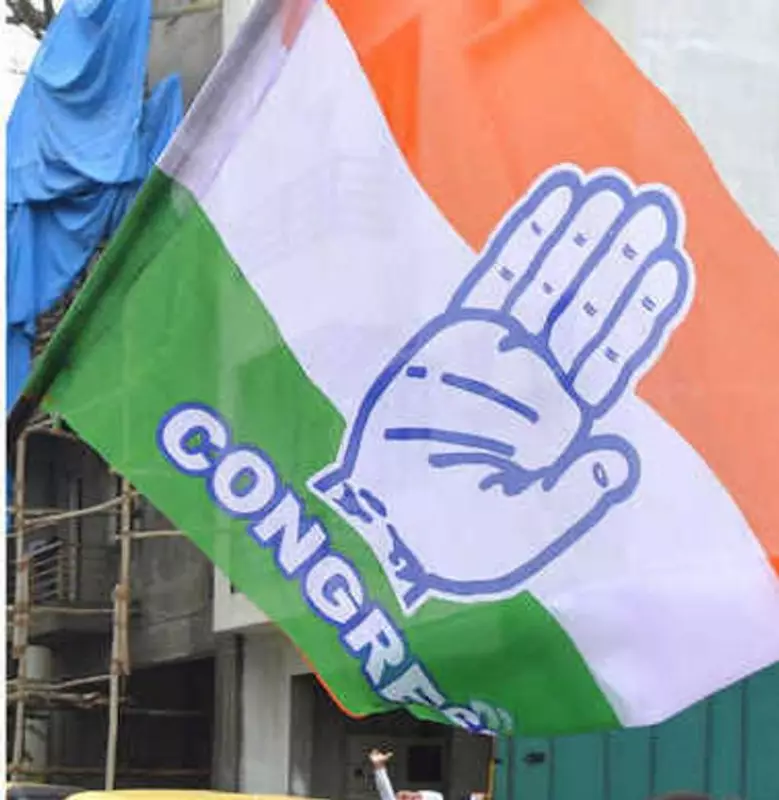
The Indian National Congress, one of the country's principal political parties, has reported a significant financial setback. The party's income from voluntary contributions, which includes donations via now-scrapped electoral bonds, has seen a dramatic fall of nearly 50% for the financial year 2023-24. This sharp decline raises critical questions about the party's fundraising capabilities and financial health as it gears up for major electoral contests.
A Steep Decline in Donation Figures
According to the audit report submitted by the Congress party to the Election Commission of India, its total income from voluntary contributions stood at Rs 171.02 crore for the fiscal year ending March 31, 2024. This figure marks a steep drop when compared to the previous year's collection of Rs 336.25 crore. The data, compiled and analyzed by the Association for Democratic Reforms (ADR), highlights a worrying trend for the grand old party. The financial year 2022-23 itself had seen a dip from Rs 236.09 crore in 2021-22, indicating a continuing downward spiral in its donation inflow.
Breaking Down the Sources of Funds
The audit report provides a detailed breakdown of where these contributions originated. A substantial portion, Rs 119.87 crore, came from donations collected through electoral bonds. Furthermore, the party received Rs 51.15 crore from other forms of voluntary contributions. It is crucial to note that these figures pertain to the period before the Supreme Court's landmark judgment in February 2024, which declared the electoral bonds scheme unconstitutional and ordered their discontinuation.

The report also sheds light on donations above Rs 20,000, which are mandated to be disclosed. The Congress party declared receiving Rs 41.25 crore from 99 donations that exceeded this threshold. Among the notable donors were well-known entities such as MKJ Enterprises Limited, Western UP Power Transmission Company Limited, and Sarda Energy & Minerals Limited. The list of significant contributors also included Janardan Singh, Vivek Infracon Private Limited, and Yashodhara Scindia.
Implications and the Road Ahead
This 50% reduction in political donations presents a formidable challenge for the Congress party. Political funding is the lifeblood of campaign machinery, covering expenses from grassroots mobilization to national advertising. A depleted war chest can severely impact a party's operational reach and competitive edge, especially in a vast and diverse electoral landscape like India's.
The timing of this financial crunch is particularly critical. With the Supreme Court scrapping the electoral bonds scheme, all political parties, including the Congress, must now navigate a new and uncertain funding environment. The party will need to innovate and diversify its fundraising strategies, potentially relying more on small donations from a broader base of supporters. This financial disclosure underscores the intense pressure on opposition finances and sets the stage for a fiercely contested political battle where resources will play a pivotal role.
As per the transparency guidelines, the audit report was submitted to the Election Commission on May 11, 2024. The data made public by the ADR continues to fuel the national conversation on political funding, transparency, and the evolving dynamics of power in Indian democracy.