The Haryana government has taken a decisive step to mitigate the perennial threat of floods in the region by approving a series of eight significant projects focused on the Markanda River. This move aims to bolster flood control infrastructure and protect vulnerable communities and agricultural land from future deluges.
Strategic Approval for Enhanced Flood Management
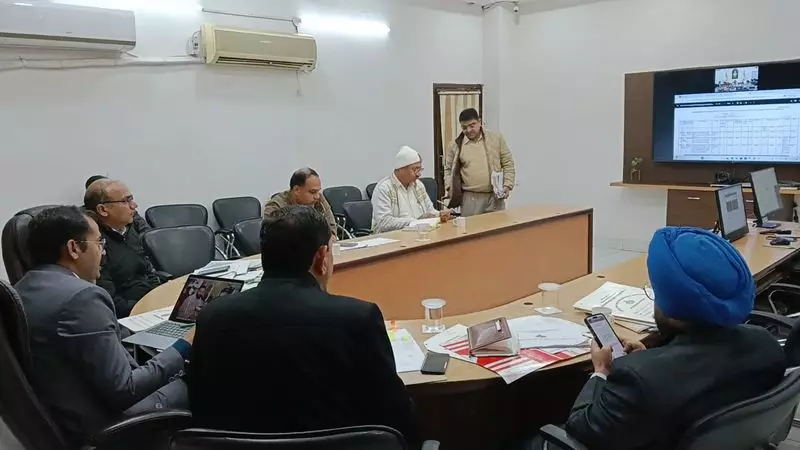
The approval was granted during a pivotal meeting of the Haryana Flood Control Department, chaired by the state's Financial Commissioner for Revenue and Disaster Management. The committee gave its nod to these projects, which are designed to address the persistent flooding issues caused by the Markanda River, a tributary of the Ghaggar. The river, originating in the Sirmaur district of Himachal Pradesh, has historically caused significant damage upon entering the plains of Haryana, particularly in districts like Ambala and Kurukshetra.
Details of the Approved Projects
The eight approved projects represent a comprehensive approach to flood mitigation. While the exact individual costs were detailed in the original proposal, the cumulative investment runs into several crores of rupees, underscoring the scale and importance of the initiative. The projects primarily involve critical construction and reinforcement work along the river's course. Key components include:

- Strengthening and raising the existing embankments (bandhs) along the Markanda River.
- Constructing new spurs and revetments to control the river's flow and prevent bank erosion.
- Desilting and dredging operations at strategic points to improve the river's carrying capacity.
- Repairing and augmenting existing flood control structures that were damaged in previous monsoon seasons.
The technical proposals and detailed estimates for these projects were meticulously prepared by the office of the Superintending Engineer, Ambala Circle, ensuring they meet engineering standards for effective flood management.
A Proactive Response to Recurring Floods
This approval is not an isolated decision but a direct response to the recurring and devastating floods that have impacted the region. The Markanda River is known for its flash floods during the monsoon, which often breach its banks, submerge vast tracts of agricultural land, damage property, and disrupt lives. The state's Flood Control Department has been actively studying the problem, and these eight projects are the culmination of that planning process. The focus is on creating a more resilient infrastructure that can handle increased water volumes and protect the low-lying areas that are most at risk.
The implementation of these projects is expected to bring substantial relief to the residents and farmers in the river's catchment area in Haryana. By controlling floodwaters, the state aims to safeguard crops, prevent soil erosion, protect rural and urban settlements, and reduce the economic losses incurred almost every year. It is a forward-looking investment in the region's safety and agricultural stability.
Officials have indicated that with the administrative approval now in place, the next steps involve expediting the tendering process and commencing physical work on the ground. The urgency is driven by the need to have as much of this protective infrastructure as possible in place before the onset of the next monsoon season. This proactive stance by the Haryana government highlights a shift towards pre-emptive disaster management rather than reactive relief measures.