

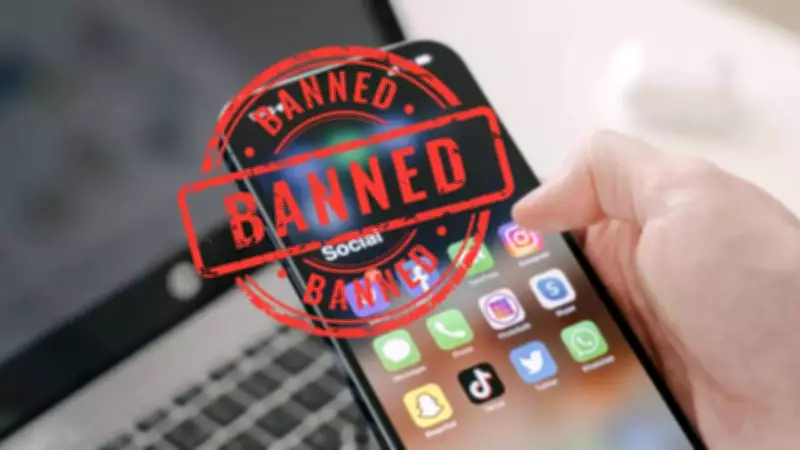
Australia's Landmark Social Media Ban for Minors Gains Global Momentum
Australia has recently enacted a groundbreaking ban prohibiting children under the age of 16 from using social media platforms. This decisive move, implemented in December of last year, is now capturing significant international attention, with at least eight countries actively considering similar regulatory measures.
Global Ripple Effect and Political Scrutiny
Following Australia's pioneering action, governments from Spain to Malaysia have expressed keen interest in adopting comparable restrictions. Lawmakers in the United Kingdom, Canada, and the United States have also sought detailed briefings from Australian authorities to understand the policy's framework and implications. This widespread curiosity underscores a growing global concern over the impact of social media on youth.
Jeannie Paterson of the Centre for Artificial Intelligence and Digital Ethics emphasized the high stakes, telling Reuters, "The whole world's watching Australia in this experiment, and therefore it looks like weak government to back down." This sentiment highlights the pressure on the Australian government, led by Prime Minister Anthony Albanese, to demonstrate tangible results from the ban and validate its credibility on the world stage.

Enforcement Actions and Compliance Challenges
The Australian government is intensifying its enforcement efforts to ensure the ban's effectiveness. Earlier this week, authorities announced investigations into major platforms, including Meta's Instagram and Facebook, TikTok, YouTube, and Snapchat, for potential breaches of the new law. These probes come in response to concerning compliance data.
A recent report from the eSafety regulator revealed that nearly one-third of parents acknowledged their under-16 children still maintained at least one social media account. Furthermore, two-thirds of parents reported that these platforms had not implemented age verification processes as required.
Communications Minister Anika Wells pointedly stated that the core issue lies not with parents but with Big Tech companies undermining the policy. The ban mandates that platforms take "reasonable steps" to block underage users, with non-compliance risking hefty fines of up to A$49.5 million (approximately $34 million).
Resistance from Big Tech and International Legal Context
While parental support for the ban is overwhelmingly positive, major technology firms—including Meta, Alphabet (parent company of Google and YouTube), TikTok, and Snap—have pushed back, citing significant compliance challenges. This resistance occurs against a backdrop of increasing legal scrutiny for tech giants globally.
In the United States, recent court rulings have bolstered Australia's enforcement stance. Last week, a New Mexico jury ordered Meta to pay $375 million for safety lapses, while another case found both Meta and Google negligent in designing platforms that harm young people. Analysts believe these verdicts empower Australia's regulatory push and could catalyze worldwide platform redesigns aimed at better protecting minors.
As Australia navigates this complex landscape, its social media ban serves as a critical test case for nations worldwide grappling with the digital safety of their youngest citizens.






