

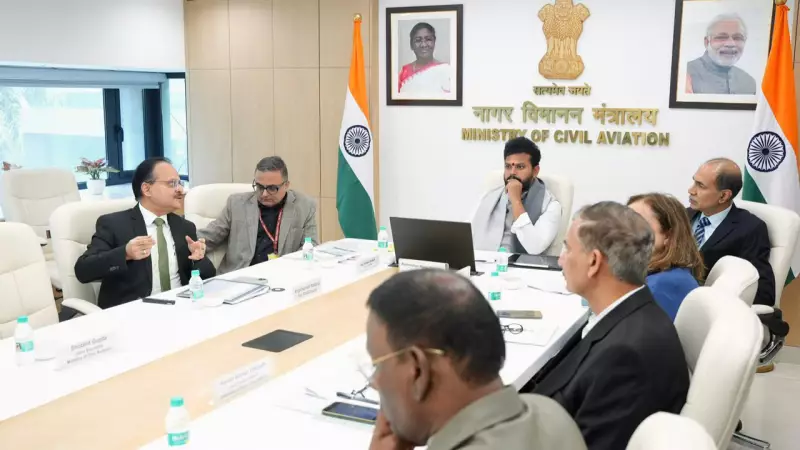
In the bustling heart of New Delhi's Safdarjung Airport area, a dedicated nerve centre operates non-stop. The newly established Passenger Assistance Control Room at Udaan Bhawan buzzes with activity—TV news alerts flash, telephones ring incessantly, and a live stream of social media complaints flows in. This facility works round the clock with a singular mission: to address the grievances of distressed airline passengers and cut through the uncertainty that follows flight disruptions.
A Direct Response to Systemic Gaps
Officials revealed that the control room was set up as a direct response to the recent IndiGo crisis, which exposed significant gaps in India's aviation grievance redressal system. A key issue was the prolonged delay between complaints filed on the government's AirSewa platform and the responses from private airlines. This new facility bridges that gap by bringing all stakeholders under one roof.
The centre integrates representatives from various airlines with officials from the Union civil aviation ministry, the Directorate General of Civil Aviation (DGCA), and the Airports Authority of India (AAI). This collaborative setup is designed to ensure that passenger complaints are addressed swiftly and efficiently, moving away from the previous cycle of endless waiting and follow-ups.

How the 24/7 Operation Works
The control room functions through a structured system of six teams working in three shifts throughout the day and night. During each shift, one to three representatives from each airline are present on-site. While most airline staff are deployed during the busy morning shift from 8 am to 2 pm, officials confirmed that between 29 to 35 people are present in the room at any given time.
The mechanism springs into action the moment a complaint is received. Passengers can reach out through multiple channels: the AirSewa portal, dedicated email, social media platforms, or phone calls. A software system then allocates each incoming complaint to one of the six teams.
The assigned team immediately coordinates with the relevant airline representative to check the status of the issue. They then act as a liaison, relaying real-time updates directly back to the complainant. In many cases, the airline also engages directly with the flyer to resolve the matter.
Human Touch in High-Stress Situations
Team member Vidushika explained the approach, stating, "We know passengers are already stressed, so we speak to them calmly, understand their concerns and coordinate with the airline." This human-centric method is at the core of the control room's philosophy.
The collaboration is yielding positive feedback from airline staff as well. Priyanka Chaudhary, who recently moved to the control room after three years with an airline, noted, "It makes communicating with customers easier and reduces delays in sharing information." Working side-by-side with AirSewa teams has significantly improved coordination and response times.
Tangible Results and a Passenger-First Pledge
The initiative is already showing impressive results. Since its activation, the control room has resolved a substantial number of passenger complaints:
- 10,094 complaints received through the AirSewa portal since December 3 have been resolved.
- An additional 1,291 complaints received via the AirSewa email since December 10 have been addressed.
- 1,676 grievances submitted through social media and phone calls since December 10 have been handled.
- Officials also reported making 534 direct call-based interventions to assist passengers.
Civil aviation secretary Samir Kumar Sinha emphasized that the approach aims to ensure timely information sharing and quicker grievance redressal. Echoing this sentiment, civil aviation deputy director general Pramod Kumar Thakur stated, "The recent disruptions underscored the need for a passenger-first approach."

The control room's current caseload has largely involved issues stemming from winter fog, including numerous flight cancellations and delays, along with some confusion over baggage handling. By providing a centralized, authoritative point of contact, the facility aims to restore confidence among Indian air travellers and set a new standard for customer service in the aviation sector.





