In an era of relentless 24-hour news cycles, two of Britain's most prestigious media institutions have found themselves grappling with the consequences of publishing unverified information. The BBC issued a formal apology while The Times newspaper was forced to retract a significant story, raising serious questions about whether the pressure for speed is compromising journalistic accuracy.
The Times Retraction: A Major Blow to Credibility
The Times newspaper faced significant embarrassment when it had to retract a front-page story that alleged a parliamentary researcher was suspected of spying for China. The original article, published with considerable prominence, sent shockwaves through political circles and diplomatic channels. However, the newspaper was subsequently compelled to acknowledge that its central claims were unfounded and lacked proper verification.
This retraction came after intense scrutiny revealed fundamental flaws in the reporting process. The newspaper's editorial team had failed to adequately corroborate information from their sources before publication. The incident prompted widespread criticism from media observers and political figures alike, who questioned how such a significant allegation could make it to the front page without rigorous fact-checking.

BBC's Apology: When Reporting Crosses Ethical Lines
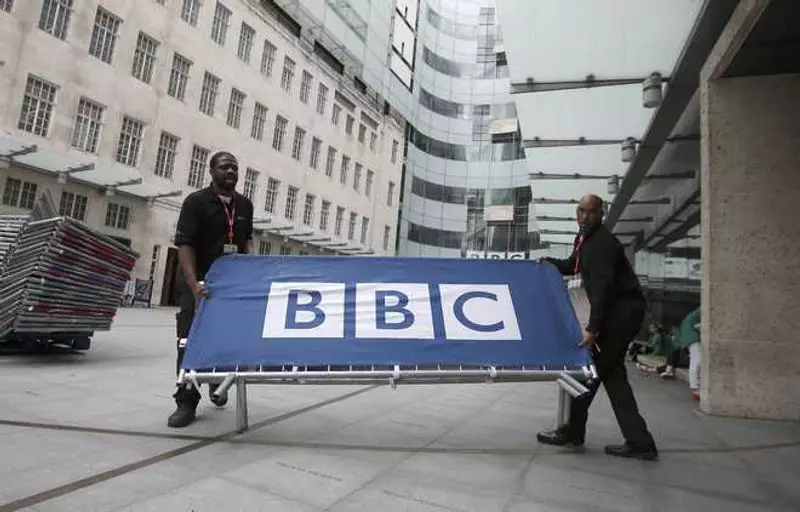
Meanwhile, the British Broadcasting Corporation found itself in similar hot water. The public service broadcaster issued a formal apology after airing content that violated its own editorial standards and guidelines. While the specific nature of the BBC's transgression differed from The Times' case, the underlying issue remained the same: the compromise of journalistic integrity under pressure.
The BBC's apology acknowledged that certain reporting failed to meet the organization's established standards for accuracy and impartiality. This admission was particularly significant given the BBC's global reputation for reliable journalism and its role as a publicly-funded broadcaster with strict ethical obligations.
The Broader Implications for Modern Journalism
These consecutive incidents involving two of Britain's most respected media houses highlight a growing concern within the industry. The relentless pace of digital news production appears to be testing the traditional safeguards that ensure reporting accuracy. Journalists and editors are working under increasing pressure to break stories quickly, often at the expense of thorough verification processes.
Media analysts point out that the competitive nature of modern journalism, combined with the constant demand for fresh content across multiple platforms, creates an environment where mistakes are more likely to occur. The need to attract audience attention in a crowded digital landscape sometimes overrides the fundamental journalistic principle of 'first, verify, then publish'.
These cases also raise important questions about institutional accountability. Both The Times and BBC have established reputation for quality journalism, yet both stumbled on basic verification protocols. This suggests that even well-resourced news organizations with robust editorial systems are not immune to the pressures of the contemporary media environment.
The consequences extend beyond mere embarrassment for the media organizations involved. False reporting can have real-world impacts on individuals' reputations, affect diplomatic relations, and erode public trust in journalism as an institution. When major news outlets publish unverified claims, it undermines the credibility of the entire profession and fuels public skepticism about media reliability.
As the industry reflects on these incidents, many are calling for a renewed commitment to traditional journalistic values. This includes allocating sufficient time for fact-checking, maintaining healthy skepticism toward sources, and prioritizing accuracy over being first to break a story. The challenge lies in balancing the demands of the digital age with the ethical responsibilities that form the foundation of credible journalism.