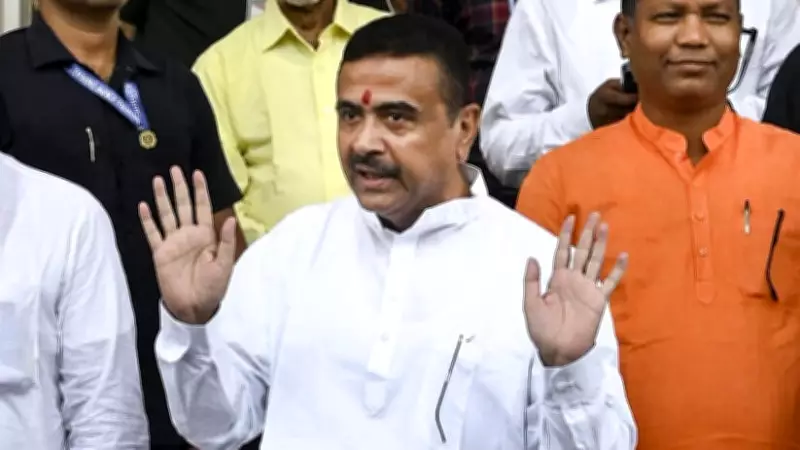
West Bengal Chief Minister Suvendu Adhikari has directed authorities to take stringent action against the use of loudspeakers at religious places that exceed permissible noise levels. This move marks a significant shift in enforcement policy, as previous regulations had allowed a relaxation of up to 65 decibels during special festivals and occasions.
Background of Noise Regulations
The state government has long had noise pollution rules in place, but compliance has been inconsistent. Sources indicate that the new administration is committed to stricter adherence to sound regulations, aiming to reduce noise pollution and its impact on public health. The directive applies to all religious institutions, including temples, mosques, and churches, which have often been exempted from strict enforcement during festive periods.
Key Points of the Directive
- Immediate action against any religious place using loudspeakers above the prescribed decibel limits.
- No exceptions for festivals or special occasions, reversing the earlier relaxation policy.
- Local authorities, including police and pollution control boards, have been instructed to conduct regular inspections.
- Penalties for violations may include fines, seizure of equipment, and legal action.
This decision comes amid growing public complaints about noise pollution, particularly during early morning and late-night prayers. Many residents have welcomed the move, citing health benefits and improved quality of life. However, some religious groups have expressed concerns, arguing that loudspeakers are integral to their practices and that the new rules may infringe on religious freedom.

Impact on Religious Institutions
The directive is expected to affect thousands of religious places across West Bengal. Temples, mosques, and churches that rely on loudspeakers for calls to prayer, sermons, and announcements will need to adjust their volume levels or explore alternative sound systems. The government has suggested using directional speakers or soundproofing measures to minimize noise pollution while allowing religious activities to continue.
Public Reaction
Reactions have been mixed. Health activists and environmentalists have praised the decision, emphasizing the adverse effects of noise pollution on hearing, sleep, and cardiovascular health. On social media, many citizens have shared their support, recounting experiences of disturbance from loudspeakers. Conversely, some religious leaders have criticized the move as an unnecessary restriction, arguing that it targets minority communities. The government has clarified that the rules apply equally to all religions.
The enforcement of noise norms is part of a broader effort by the Adhikari administration to improve urban governance and public health. Similar measures are being considered for other sources of noise pollution, such as construction sites and public events. As the state moves towards stricter implementation, it remains to be seen how religious institutions and the public will adapt to the new regulations.