Bengaluru, India's tech capital, continues to grapple with a profound and persistent failure: its inability to provide basic accessibility for persons with disabilities. Despite progressive legislation and court orders, the city's public spaces, transportation, and government buildings remain largely hostile environments for those with mobility, visual, or hearing impairments.
A City of Barriers, Not Bridges
The reality on the ground starkly contradicts the promises on paper. The Rights of Persons with Disabilities Act (RPwD), 2016, mandates that all existing public buildings be made accessible within five years. That deadline passed in 2022, yet Bengaluru has seen little transformative change. A recent audit by the Disability Rights Alliance (DRA) Bengaluru, conducted between December 2023 and January 2024, exposed the grim truth. The audit covered crucial public spots including the Karnataka High Court, the Vidhana Soudha, the Bengaluru City Railway Station, and key metro stations.
The findings were damning. The iconic Vidhana Soudha, the seat of state power, lacks functional ramps and accessible toilets. The Karnataka High Court, the very institution meant to uphold the law, presents formidable barriers. The Bengaluru City Railway Station fails to provide basic amenities like accessible ticketing counters and ramps. Even the modern Namma Metro, a symbol of the city's progress, falls short at several stations, with non-functional lifts, lack of tactile paths, and inaccessible entry points.

Systemic Neglect and Tokenism
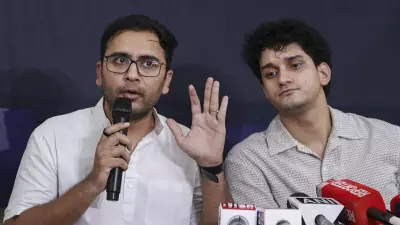
The problem is not a lack of laws but a catastrophic failure in implementation and accountability. Activists like Guruprasad, a member of the DRA, and Vaishnavi, a disability rights activist, point to a culture of tokenism and apathy. Government agencies operate in silos, with no single body held responsible for enforcing accessibility norms. The Bruhat Bengaluru Mahanagara Palike (BBMP), the Bengaluru Metro Rail Corporation Ltd (BMRCL), and the Railways each pass the buck, leaving gaps in the infrastructure network that make independent movement a nightmare.
For instance, a person using a wheelchair may find an accessible bus stop, but the footpath leading to it is broken or blocked. A metro station might have a lift, but the last-mile connectivity from the station exit to the street is impossible to navigate. This piecemeal, uncoordinated approach renders even the few existing facilities useless. The state commissioner for persons with disabilities, K V Rajanna, acknowledges the implementation gap but notes a lack of punitive action against non-compliant departments.
The Human Cost of Inaccessibility
The consequences are not merely infrastructural; they are deeply personal and discriminatory. Inaccessible public spaces directly violate the fundamental rights of persons with disabilities to education, work, and social participation. Students drop out of colleges they cannot enter. Job seekers miss interviews at offices located in inaccessible buildings. The simple act of visiting a government office to obtain a certificate or cast a vote becomes an insurmountable challenge.
The legal framework exists for redress. The RPwD Act allows individuals to file complaints with the state commissioner. However, the process is often slow and the outcomes, as seen, are not systemic. The Karnataka High Court has also intervened, directing the state to audit and retrofit buildings. Yet, progress remains glacial, mired in bureaucratic delays and a glaring absence of political will.
The Path Forward: Beyond Compliance to Inclusion
Experts and activists argue that the solution requires a fundamental shift in mindset—from viewing accessibility as a charitable afterthought to recognizing it as a non-negotiable component of urban design and governance. Universal Design principles must be integrated at the planning stage of every project, not retrofitted as an expensive, often ineffective, remedy.
Key recommendations include:

- Establishing a powerful, centralized nodal agency with the authority to enforce accessibility standards across all civic bodies.
- Mandating and funding comprehensive accessibility audits of all public infrastructure, with strict deadlines for remediation.
- Involving persons with disabilities directly in the planning, auditing, and monitoring processes through their representative organizations.
- Making the issuance of occupancy certificates for new buildings contingent on full compliance with accessibility norms.
Until Bengaluru's leaders and administrators treat accessibility as a right and not a privilege, the city will remain a paradox—a hub of innovation that excludes a significant section of its own citizens. The time for excuses is over; the need for urgent, concerted, and sincere action is now.