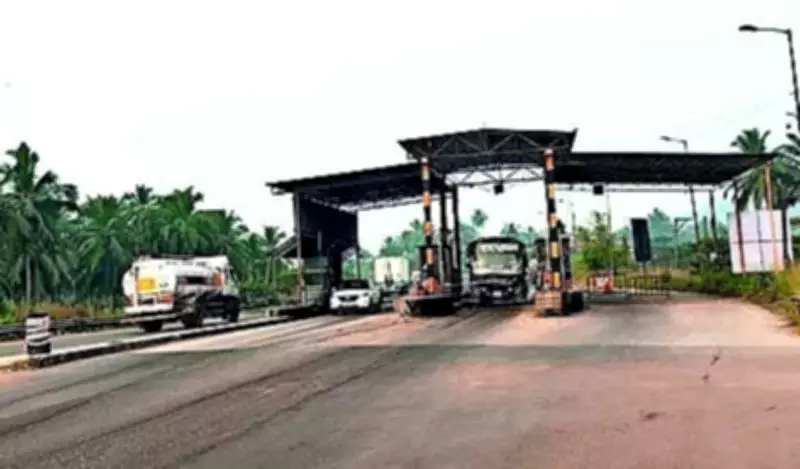
Major Toll Plaza Irregularities Uncovered in Bihar Through RTI Application
Significant allegations have emerged against toll collection practices at two key National Highway plazas in Bihar, with claims of systematic overcharging of locally registered vehicles. The toll plazas located on National Highway-219 at Sasaram in Rohtas district and Mohania in Kaimur district are reportedly violating established norms set by the National Highways Authority of India (NHAI).
Violation of Mandated Concession Rates for Local Vehicles
According to official NHAI guidelines obtained through the Right to Information (RTI) Act, commercial vehicles registered within the local district are entitled to a substantial 50% concession on toll charges. However, investigations reveal that both the Sasaram and Mohania toll plazas have been consistently charging these eligible vehicles the full 100% toll amount instead.
This practice has reportedly resulted in the illegal collection of crores of rupees every single month from local vehicle owners, creating significant financial burden on transporters and businesses operating within these districts. The scale of this alleged violation becomes particularly concerning when considering the daily traffic volume at these facilities.

RTI Revelation and Official Response Discrepancies
The irregularities first came to public attention through information secured under the RTI Act by activist Amit Kumar. In its official response, the NHAI clearly confirmed that commercial vehicles registered locally should receive the 50% concession. Yet, when questioned about the specific implementation at Sasaram and Mohania, NHAI project director R K Verma made contradictory claims, stating that the concession rule was not applicable at these particular plazas.
Amit Kumar further alleged that the NHAI adopted a selective approach in responding to his RTI application. "Out of three specific questions regarding toll fees for locally registered commercial vehicles at the Sasaram plaza, information was provided on only one point," he explained. "Crucial details about prescribed single-journey toll rates were deliberately withheld, raising serious questions about transparency."
Impact on Local Transporters and Daily Operations
Truck owner Pintu Kumar, whose vehicles are properly registered with the Rohtas district transport office, provided concrete evidence of the overcharging. "I was charged Rs 765 for a single journey at the Sasaram toll plaza despite being fully eligible for the concession," he stated. "Despite repeated representations citing NHAI rules, we have received no response or corrective action from authorities."
Another local transporter echoed similar complaints, highlighting how this practice affects multiple businesses in the region. According to NHAI's own records, more than 15,000 vehicles pass through the Sasaram and Mohania plazas daily, including approximately 500 locally registered trucks and buses that are all allegedly being charged the full toll amount.
Contrasting Implementation and Legal Action
Interestingly, the toll plaza on NH-319 at Babhniyawan village is reportedly implementing the 50% concession correctly, demonstrating that the policy can be properly enforced when authorities choose to do so. When contacted for clarification on the discrepancies between different plazas, project director Verma declined to comment on the matter.
In response to the lack of corrective measures, RTI activist Amit Kumar has already filed a first appeal under the RTI Act and is preparing comprehensive legal action. The planned litigation seeks not only to stop the ongoing overcharging but also to secure refunds of excess toll collected from local vehicle owners over an extended period.
The situation raises important questions about toll collection oversight and accountability mechanisms within national highway infrastructure management, particularly regarding how concession policies are implemented and monitored across different regions.