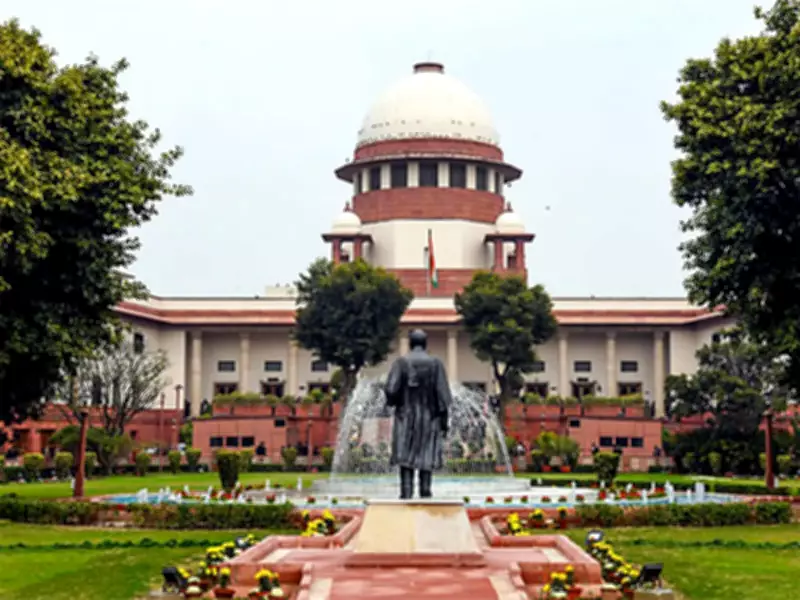
The central government on Tuesday approved an increase in the number of judges in the Supreme Court from 33 to 37, excluding the Chief Justice of India, during a Cabinet meeting chaired by Prime Minister Narendra Modi. This decision comes six years after the strength was last raised from 31 to 33 in 2019.
Objective to Expedite Justice
The government stated that the move aims to strengthen the Supreme Court and ensure speedier justice delivery, as over 92,000 cases are currently pending before the apex court. The Cabinet approved the proposal to introduce The Supreme Court (Number of Judges) Amendment Bill, 2026 in Parliament, which will amend The Supreme Court (Number of Judges) Act, 1956.
Constitutional Provisions
The Constitution leaves the size of the Supreme Court open-ended. Article 124(1) provides for a Chief Justice of India and permits Parliament to determine the number of other judges through legislation. This number has been revised periodically to keep pace with rising caseloads.

Historical Revisions of Judge Strength
The first such change came with the Supreme Court (Number of Judges) Act, 1956, which fixed the strength at 10 judges apart from the Chief Justice. It was subsequently raised to 13 in 1960 and to 17 in 1977. Despite this, the working strength remained capped at 15 for a period until 1979, when the restriction was lifted following a request from the Chief Justice. Further expansions followed over the decades: the sanctioned strength was increased to 25 in 1986 and to 30 in 2008. The most recent revision came in 2019, when Parliament raised the number of judges from 30 to 33, excluding the Chief Justice of India.
Ongoing Debate on Backlog Reduction
These periodic increases reflect an attempt to align the court's capacity with a steadily growing backlog, even as questions persist over whether expanding bench strength alone can address delays in justice delivery. The government remains committed to reducing pendency and improving access to justice for all citizens.