

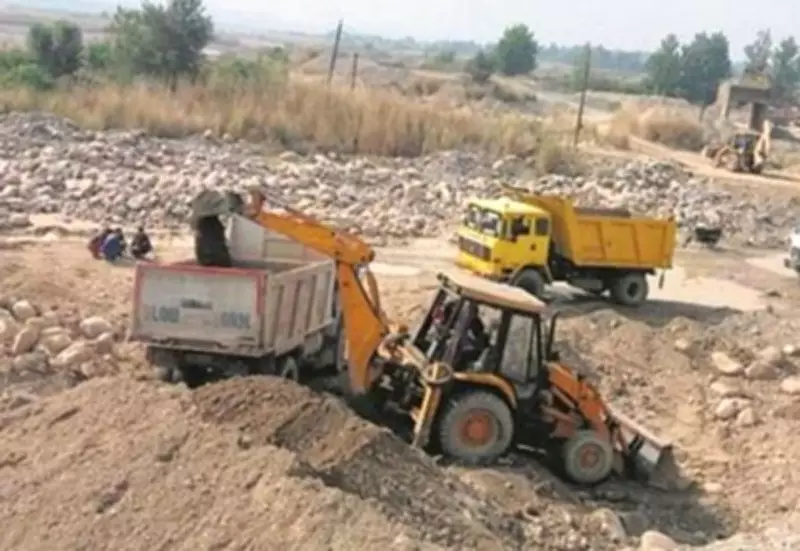
CAG Audit Uncovers Critical Failures in J&K Mining Welfare Scheme
The Comptroller and Auditor General of India (CAG) has released a damning report that exposes severe lapses in the implementation of the District Mineral Foundation Trust (DMFT) scheme in Jammu and Kashmir. This welfare initiative, designed to benefit communities affected by mining activities, has been marred by systemic failures, fund mismanagement, and inadequate oversight, according to the audit findings.
Key Deficiencies Highlighted in the Report
The CAG report, which scrutinized the scheme's execution over recent years, identified multiple areas of concern. Fund utilization emerged as a major issue, with significant amounts of money remaining unspent or diverted improperly. The audit revealed that funds collected from mining operations were not being allocated efficiently to support affected populations, undermining the scheme's core objective of providing relief and development in mining-affected districts.
Furthermore, administrative lapses were rampant, including poor record-keeping, lack of transparency in project selection, and failure to monitor the impact of funded initiatives. The report noted that many projects intended to improve infrastructure, healthcare, and education in mining areas were either incomplete or did not meet their stated goals due to these operational shortcomings.

Impact on Local Communities and Governance
The failures in implementing the DMFT scheme have had a direct negative impact on local communities in Jammu and Kashmir. Residents in mining-affected areas, who rely on these welfare measures for compensation and development, have been left underserved. The CAG emphasized that the lapses not only wasted public resources but also eroded trust in governmental efforts to address the environmental and social costs of mining.
From a governance perspective, the report calls for urgent corrective actions. It recommends strengthening accountability mechanisms, improving fund management practices, and ensuring regular audits to prevent future mismanagement. The findings underscore the need for better coordination between state authorities and district-level bodies responsible for executing the scheme.
Broader Implications and Recommendations
The CAG's audit of the mining welfare scheme in Jammu and Kashmir serves as a critical reminder of the challenges in implementing social welfare programs in the region. It highlights how bureaucratic inefficiencies and lack of oversight can derail well-intentioned initiatives aimed at supporting vulnerable populations.
To address these issues, the report proposes several measures:
- Enhancing transparency in fund allocation and project selection processes.
- Implementing robust monitoring systems to track the progress and outcomes of welfare projects.
- Conducting regular training for officials involved in scheme management to improve compliance and efficiency.
- Ensuring community participation in decision-making to better align initiatives with local needs.
In conclusion, the CAG's findings on the DMFT scheme in Jammu and Kashmir reveal a troubling pattern of mismanagement that requires immediate attention. As the region continues to navigate developmental challenges, effective implementation of such welfare programs is crucial for fostering sustainable growth and equity in mining-affected communities.






