

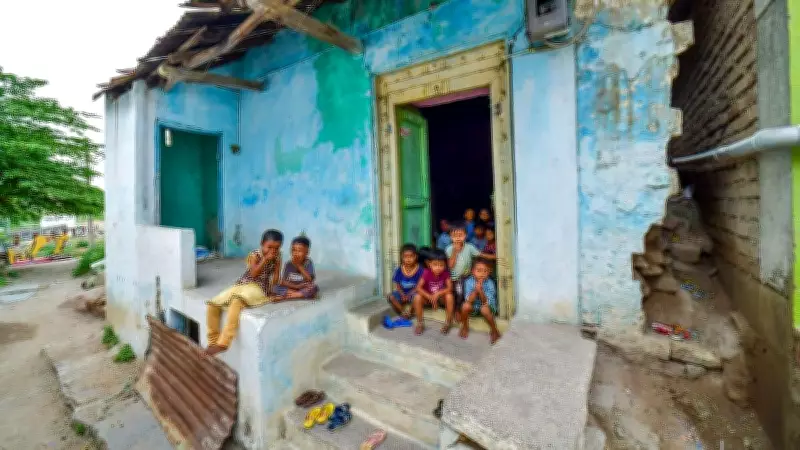
In Karnataka, early learning spaces are increasingly becoming sites where caste-based discrimination manifests, creating invisible walls that hinder children's holistic development. Despite constitutional guarantees and progressive policies, the shadows of caste hierarchy continue to influence interactions among young children, often perpetuated by adults and institutional practices.
The Pervasiveness of Caste in Early Childhood Settings
Research and anecdotal evidence reveal that children as young as three years old are exposed to caste-based biases. In Anganwadis and private preschools, seating arrangements, meal sharing, and play activities often reflect caste hierarchies. Teachers and caregivers, sometimes unconsciously, reinforce these divisions through language and behavior. For instance, children from marginalized communities may be assigned separate utensils or asked to sit apart during meals.
This early socialization into caste norms has profound implications. It not only damages the self-esteem of children from lower castes but also ingrains prejudice in others. The National Education Policy 2020 emphasizes equitable and inclusive education, but implementation remains uneven.

Impact on Learning and Development
Studies indicate that children who experience discrimination exhibit higher stress levels, lower academic engagement, and reduced social skills. The invisible walls created by caste affect cognitive development and language acquisition, as children from marginalized groups may feel less encouraged to participate. Moreover, the lack of diversity in teaching staff—predominantly from upper castes—further alienates children from diverse backgrounds.
Institutional and Policy Gaps
While Karnataka has several schemes for early childhood care, they rarely address caste explicitly. The Integrated Child Development Services (ICDS) focuses on nutrition and health but overlooks social discrimination. Teacher training programs do not adequately cover anti-bias education or caste sensitivity. As a result, early learning spaces mirror societal inequalities rather than challenging them.
Voices from the Ground
Parents and community workers report that caste discrimination often goes unreported due to fear of backlash. In rural areas, where caste hierarchies are deeply entrenched, even well-intentioned teachers may succumb to social pressures. However, some NGOs and progressive schools are piloting inclusive curricula that celebrate diversity and promote empathy. These initiatives show promise but require scaling up.
Recommendations for Change
Experts advocate for:
- Curriculum Reform: Integrate stories and activities that reflect diverse cultures and challenge stereotypes.
- Teacher Training: Mandatory modules on caste sensitivity and inclusive pedagogy in all early childhood education programs.
- Parental Engagement: Workshops to help parents recognize and counteract caste biases at home.
- Policy Interventions: Explicit inclusion of caste as a dimension of discrimination in early childhood policies and monitoring frameworks.
Addressing caste in early learning is not just about compliance with laws but about building a just society. The invisible walls must be dismantled from the earliest stages of education to ensure every child has an equal opportunity to thrive.






