

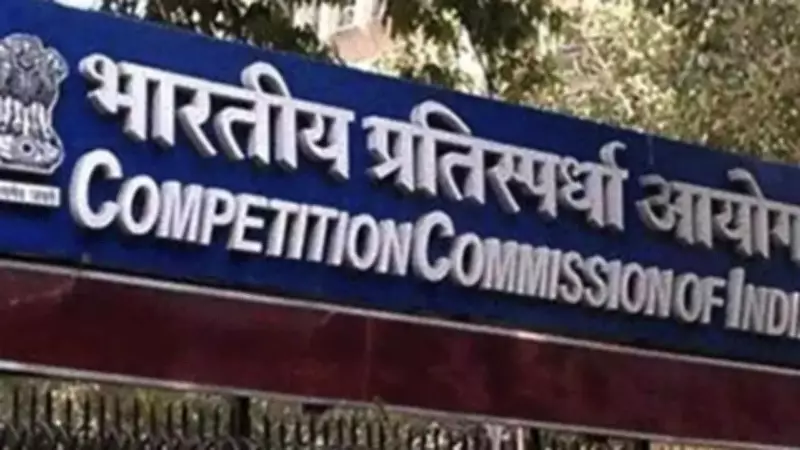
The Competition Commission of India (CCI) has raised concerns over pricing practices at private super-speciality hospitals in Delhi NCR, particularly regarding how admitted patients are directed towards in-house pharmacies, diagnostics, and consumables. In a 32-page order related to Sir Ganga Ram Hospital, the regulator observed that patients often become 'locked-in' once admitted, leaving them with little practical choice during treatment.
Scope of Investigation
The order is part of a broader investigation involving 12 major private hospitals in Delhi. The CCI examined whether these hospitals effectively compel admitted patients to purchase medicines, devices, and diagnostic services only from hospital-linked facilities. The case originated from a 2015 complaint about inflated syringe pricing at a Delhi hospital, which led the Director General to widen the probe to cover multiple super-speciality hospitals across the capital.
Hospital Response
Reacting to the order, Dr. D S Rana, Chairman of the Board of Trustees at Sir Ganga Ram Hospital, stated that the hospital is reviewing the findings. 'We have received the order and are studying it in detail. Prima facie, it is a welcome step by the CCI. We will get back further after studying the order in detail,' he said.

Findings on Pricing and Lock-In Effect
The Commission noted that hospitals often create a 'locked-in' effect for admitted patients by encouraging or effectively restricting them to in-house pharmacies and diagnostic facilities. 'In-patients, almost always, resort to usage of the hospital's in-house pharmacy and laboratories,' the order observed.
The Director General's investigation found substantial mark-ups in several diagnostic tests at Sir Ganga Ram Hospital between 2015 and 2018 when compared with standalone diagnostic chains. Tests such as liver function tests, renal biochemical profiles, reticulocyte counts, and blood culture tests were priced significantly higher than average market rates during some years under review.
The Commission also examined pricing of MRIs, X-rays, and ultrasound procedures. It recorded that some imaging procedures were priced over 50% higher than rates charged by standalone diagnostic centres during parts of the investigation period.
Methodology and Legal Considerations
However, the CCI said the DG's methodology for determining unfair pricing was inadequate, noting that procurement cost alone could not be used to calculate excessive profit margins because it did not account for storage, supply chain, staffing, and operational expenses borne by hospitals. The Commission also observed that hospitals are under no legal obligation to pass procurement profits on to patients.
Importantly, the order stated that there was no finding that prices charged by the hospital exceeded the Maximum Retail Price fixed by manufacturers for medicines or consumables. The CCI further acknowledged that hospital-based diagnostics operate round the clock and involve higher staffing and infrastructure costs than standalone labs, making direct comparisons difficult.
Hospital's Defense
Sir Ganga Ram Hospital defended its pricing structure before the Commission, arguing that it functions under a charitable trust model and uses revenue from paying patients to subsidise treatment for economically weaker sections. The hospital also argued that charges reflect costs linked to 24x7 emergency readiness, specialist manpower, advanced medical equipment, and hospital infrastructure.
Conclusion of Proceedings
While raising concerns over pricing practices and patient lock-ins, the Commission ultimately closed proceedings against the hospital, saying the evidence gathered during the probe did not conclusively establish abuse of dominant position under the Competition Act.






