The Central Electricity Authority (CEA) has issued a nationwide safety advisory urging electricity consumers, housing societies, hospitals, schools, malls, and utilities to urgently inspect and maintain their electrical systems before peak summer temperatures place further stress on power infrastructure. This comes after a series of deadly fire incidents linked to suspected electrical short circuits.
Recent Fatal Fires Prompt Action
The advisory follows fatal fires in a high-rise building in Delhi's Palam area, a residence in Indore, and a medical college hospital in Cuttack, where electrical faults were cited among the probable causes. With the India Meteorological Department (IMD) forecasting above-normal heatwave conditions and temperatures crossing 45 degrees Celsius in several regions, the CEA warned that transformers, cables, switchgear, and internal wiring systems face increased loading and overheating risks.
Significance for Mumbai
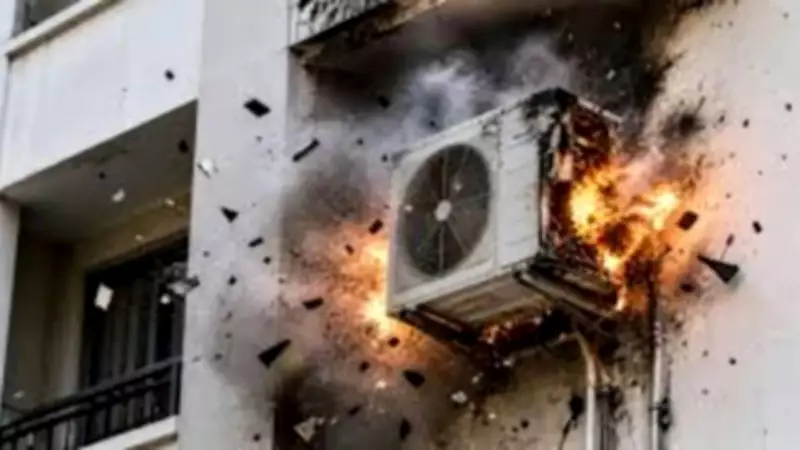
For Mumbai's millions of apartment dwellers, office-goers, and commercial establishments, the warning carries particular significance. Electrical experts note that air-conditioners, refrigerators, pumps, and other appliances running continuously during summer can overload ageing wiring and distribution systems.

Key Precautions Recommended
The CEA's advisory highlights several precautions that consumers can implement immediately to reduce fire risks. Among the most important recommendations include:
- Ensure that electrical repair work is carried out only by licensed electricians or qualified personnel.
- Install a Residual Current Device (RCD) or Earth Leakage Circuit Breaker (ELCB) with a tripping current not exceeding 30 milliamperes in homes to prevent electrocution and detect leakage currents.
- Verify that earthing systems are functioning properly, particularly in older buildings and housing societies.
- Install and maintain adequate fire extinguishers and fire alarm systems for early detection and response.
- Avoid unauthorised electrical modifications, illegal tapping, or overloading circuits with multiple high-power appliances.
Focus on High-Risk Buildings
The advisory places special emphasis on high-rise buildings, hospitals, schools, malls, hotels, cinema halls, banks, and other locations with heavy public footfall. It recommends continuous monitoring of electrical systems through modern technologies capable of detecting early warning signs such as arcing, short circuits, earth leakage, over-current conditions, voltage fluctuations, and loss of neutral connections before they escalate into fires.
Responsibilities for Housing Societies
For resident welfare associations and cooperative housing societies, the CEA has stressed periodic inspection and testing of electrical installations, proper earthing of switchgear and panels, maintenance of firefighting equipment, and ensuring that only trained personnel handle electrical operations.
Overlooked Risks in Ageing Buildings
Electrical safety experts say one of the most overlooked risks in Mumbai's ageing residential stock is the mismatch between modern electricity demand and decades-old wiring systems. Many buildings designed before widespread use of air-conditioners now face significantly higher loads during summer, increasing the likelihood of overheating cables and distribution boards.
Electrical Safety Week 2026
The CEA has chosen 'Today's Awareness, Tomorrow's Prevention – Let Us All Unite to Prevent Fire Hazards from Electrical Short Circuits' as the theme for Electrical Safety Week 2026 beginning June 26, aiming to spread awareness among consumers and utilities alike.
Call to Treat Safety as Public Health Issue
Officials have urged stakeholders to treat electrical safety as a public-health issue rather than merely a technical matter, warning that timely inspections and preventive maintenance could save lives, prevent property losses, and reduce the risk of catastrophic fires during the ongoing summer season.

Quick Checklist For Households
Do This This Week
- Get your home's wiring inspected if the building is over 15 years old.
- Test earthing and circuit breakers.
- Avoid using multiple ACs, heaters, and heavy appliances on overloaded extension boards.
- Replace damaged wires, loose plugs, and overheating sockets immediately.
- Install smoke detectors near electrical panels.
- Keep a suitable fire extinguisher accessible.
- Never attempt electrical repairs yourself unless qualified.
Warning Signs Not to Ignore
- Frequent tripping of breakers.
- Burning smell near switchboards.
- Sparking sockets.
- Flickering lights.
- Unusually hot plugs, switches, or electrical panels.
Experts say these seemingly minor symptoms often precede electrical fires and should trigger immediate inspection.