Chandigarh Confronts Rising Threat of Uninsured Vehicles on City Roads
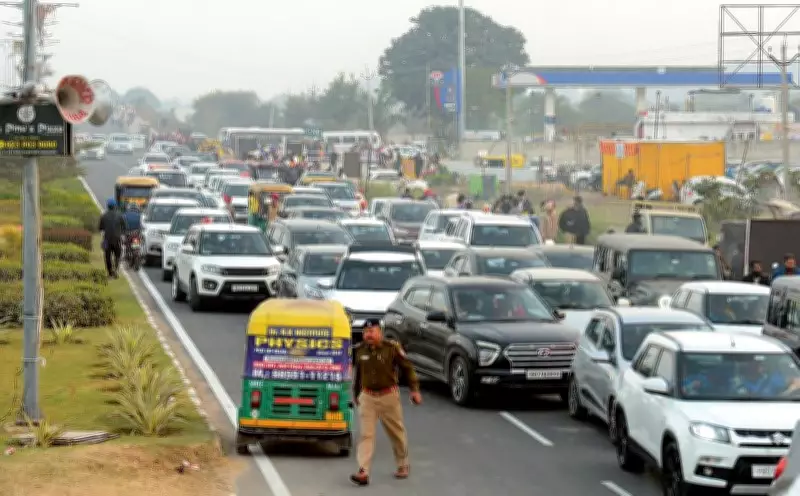
The picturesque city of Chandigarh, known for its planned architecture and orderly streets, is grappling with a significant and escalating issue: a surge in uninsured vehicles plying on its roads. This problem poses severe risks to public safety, legal compliance, and financial security for all road users. As the number of such vehicles increases, authorities and citizens alike are calling for urgent measures to address this menace.
Public Safety and Legal Implications at Stake
Uninsured vehicles represent a critical hazard on Chandigarh's thoroughfares. In the event of an accident, drivers of these vehicles often lack the financial means to cover damages or medical expenses, leaving victims uncompensated and burdened. This not only violates the Motor Vehicles Act, which mandates third-party insurance for all vehicles, but also undermines the rule of law. The absence of insurance can lead to prolonged legal battles, increased healthcare costs, and a breakdown of trust in the transportation system.
Residents Voice Concerns and Propose Solutions
In response to this growing crisis, Chandigarh residents have stepped forward with a range of suggestions to curb the proliferation of uninsured vehicles. Many advocate for enhanced enforcement by traffic police, including more frequent checks and stricter penalties for offenders. Others emphasize the need for public awareness campaigns to educate vehicle owners about the legal requirements and benefits of insurance. Some propose leveraging technology, such as automated number plate recognition systems, to identify and penalize uninsured vehicles efficiently.

- Implementing regular and surprise vehicle inspections at key junctions and entry points to the city.
- Increasing fines and penalties for driving without valid insurance to act as a stronger deterrent.
- Launching educational initiatives through schools, community centers, and digital platforms to highlight the importance of vehicle insurance.
- Collaborating with insurance companies to offer affordable and accessible insurance plans for all vehicle types.
- Utilizing data analytics and surveillance technology to monitor compliance and track repeat offenders.
Authorities Under Pressure to Act
The Chandigarh Administration and traffic police are under mounting pressure to devise and implement effective strategies. While existing laws provide a framework, enforcement has often been inconsistent, allowing the problem to fester. Experts suggest that a multi-pronged approach combining strict law enforcement, public engagement, and policy reforms is essential. This could include streamlining the insurance renewal process, making it more user-friendly, and ensuring that insurance is linked to vehicle registration and fitness certificates.
The issue of uninsured vehicles is not just a legal or administrative challenge; it is a matter of civic responsibility and collective safety. As Chandigarh strives to maintain its reputation as a model city, addressing this problem head-on will be crucial for safeguarding its residents and upholding the integrity of its transportation network.