Child Labor Crisis: Migrant Brick Kiln Workers' Children Denied Basic Rights
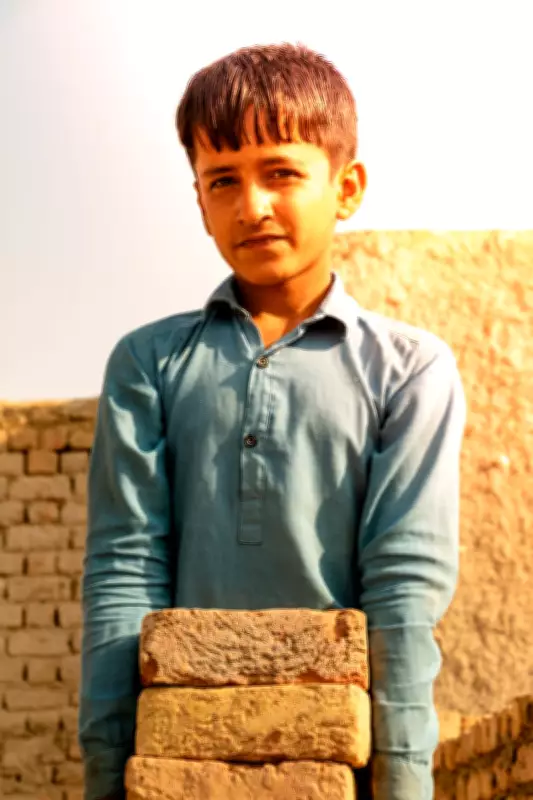
In the intense, scorching heat of May, a stark scene unfolds in Uttar Pradesh's Aligarh district. Twelve-year-old Rajni cradles her infant sister tenderly while simultaneously stirring a pot of watery dal that simmers over an open fire. The aluminium pot, blackened with soot from constant use, sits outside a makeshift hut, symbolizing the harsh daily realities faced by children of brick kiln migrant workers.
A Life of Dual Burdens
Rajni's story is not an isolated case but a poignant example of a widespread issue. These children, often too young for formal employment, are thrust into roles of caregiving and survival from a tender age. They navigate extreme weather conditions, from blistering summers to chilly winters, while their families toil in the brick kilns to make ends meet. This dual burden of domestic responsibilities and economic vulnerability strips them of a normal childhood, forcing them into premature adulthood.
Systemic Failures and Legal Gaps
The struggle for basic rights among these children highlights significant systemic failures. Despite laws against child labor, enforcement remains lax in many regions, particularly in informal sectors like brick kilns. Migrant families, often living on the fringes of society, lack access to essential services such as education, healthcare, and social security. This perpetuates a cycle of poverty and exploitation, where children are denied opportunities for a better future.

Key challenges include:
- Lack of educational access: Many children miss school due to migration patterns and economic pressures.
- Health risks: Exposure to harsh environments and inadequate nutrition leads to long-term health issues.
- Legal protection gaps: Weak implementation of child labor laws leaves them vulnerable to abuse.
Broader Implications for Society
This crisis extends beyond individual suffering, impacting community development and national progress. When children are deprived of their rights, it undermines social cohesion and economic growth. Experts emphasize the need for integrated approaches that address root causes, such as poverty alleviation, improved labor conditions for parents, and stronger child welfare policies.
In summary, the plight of children like Rajni in Aligarh district underscores an urgent call to action. Protecting the rights of migrant brick kiln workers' children is not just a moral imperative but a crucial step toward building a more equitable and just society.