

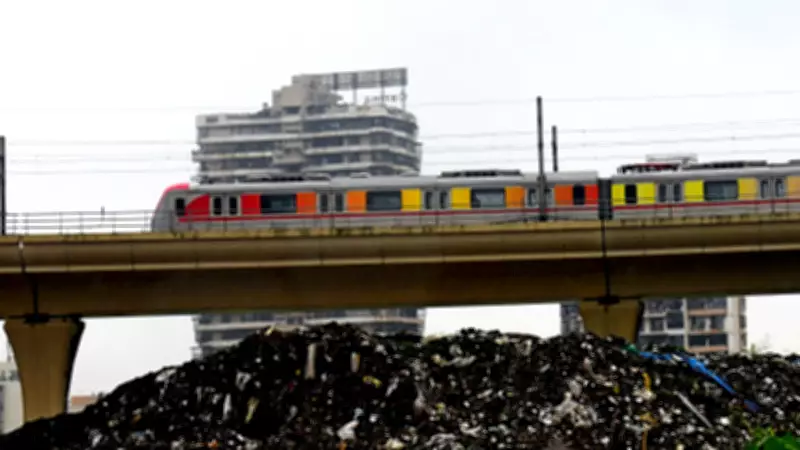
The ambitious blueprint for a city's development has lost its plot, plunging urban planning into a state of crisis. The plan, once hailed as a visionary roadmap for growth, now faces severe criticism for its inability to adapt to on-ground realities.
The Vision and Its Downfall
Originally designed to streamline infrastructure, housing, and green spaces, the blueprint aimed to create a sustainable and livable urban environment. However, bureaucratic delays, lack of stakeholder consultation, and financial mismanagement have derailed its execution.
Key Issues Identified
- Bureaucratic Red Tape: Excessive paperwork and inter-departmental conflicts have slowed progress.
- Financial Constraints: Budget overruns and misallocation of funds have stalled key projects.
- Lack of Public Participation: Residents and local businesses were not adequately involved in the planning process.
Impact on Residents
The failure of the blueprint has led to haphazard construction, traffic congestion, and inadequate public services. Communities are left frustrated as promised amenities like parks, schools, and hospitals remain unrealized.

Environmental Consequences
The original plan emphasized green corridors and sustainable drainage. Without proper implementation, the city faces increased pollution and flood risks.
Way Forward
Experts suggest a complete overhaul of the planning process, incorporating technology for better monitoring and ensuring transparency. Public-private partnerships could also inject necessary funds and expertise.
The city's future depends on learning from these mistakes and adopting a more flexible, inclusive approach to urban development.






